I caught the 9:30 a.m. show today for third installment in The Hunger Games movies. The film, which breaks the final book into two parts, is a cathartic roller coaster ride that is sure to banned […]
[youtube=https://www.youtube.com/watch?v=TRmgMe2STL0] Sitting in the theater waiting for The Hunger Games: Mockingjay Part 1 to start, this Android commercial just played. Superb marketing. Love it! The tagline—”be together, not the same”—is pointed dig at Apple.
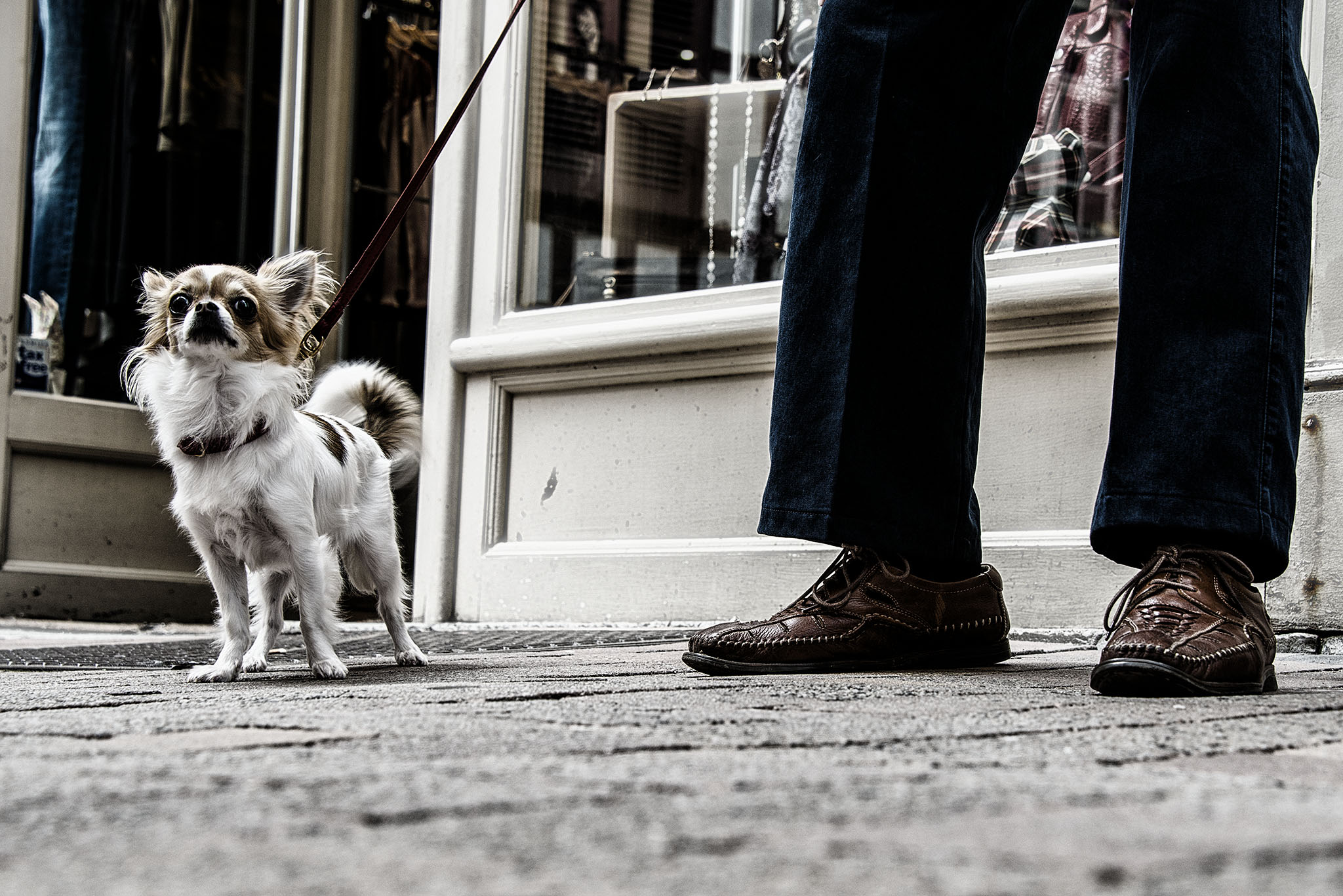
In the daylight, I got a couple good snaps of Cali, in another off-the-cuff X100T test. One shot is from the perch and the other from the fridge. The first is Macro, by accident, f/2.8, 1/60 sec, ISO 2500. The other (right) is f/2.8, 1/60 sec, ISO 1250. Full-size shots are available from my X100T Flickr set, or, separately, here and here.
I am a bit grumbly about choosing the X100T over the X-T1 this morning. Fuji will release on December 18 a firmware update that adds most of the features that swayed me to choose the X100T, which arrived about 21 hours ago. This is good customer service, though, for existing owners, and I won’t forget the benefit. I complain today, but long term it’s way to go, Fuji.
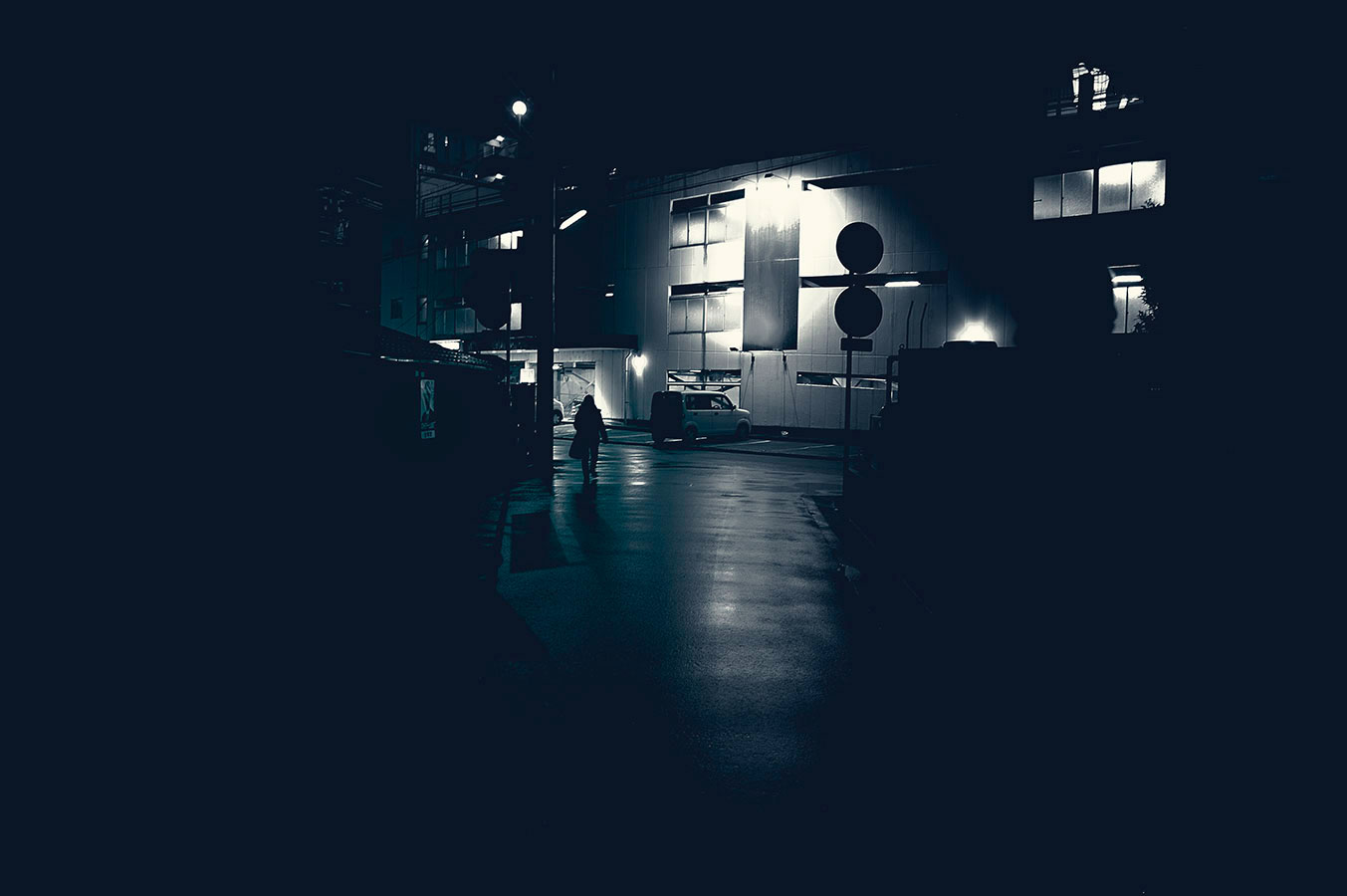
Battery finally charged, I started shooting with the Fujifilm X100T, JPEG + RAW and Chrome film simulation. In the low light, I had a helluva time shooting kitty Cali. She’s just too dark for the autofocus. So I switched to my wife jewelry workspace.
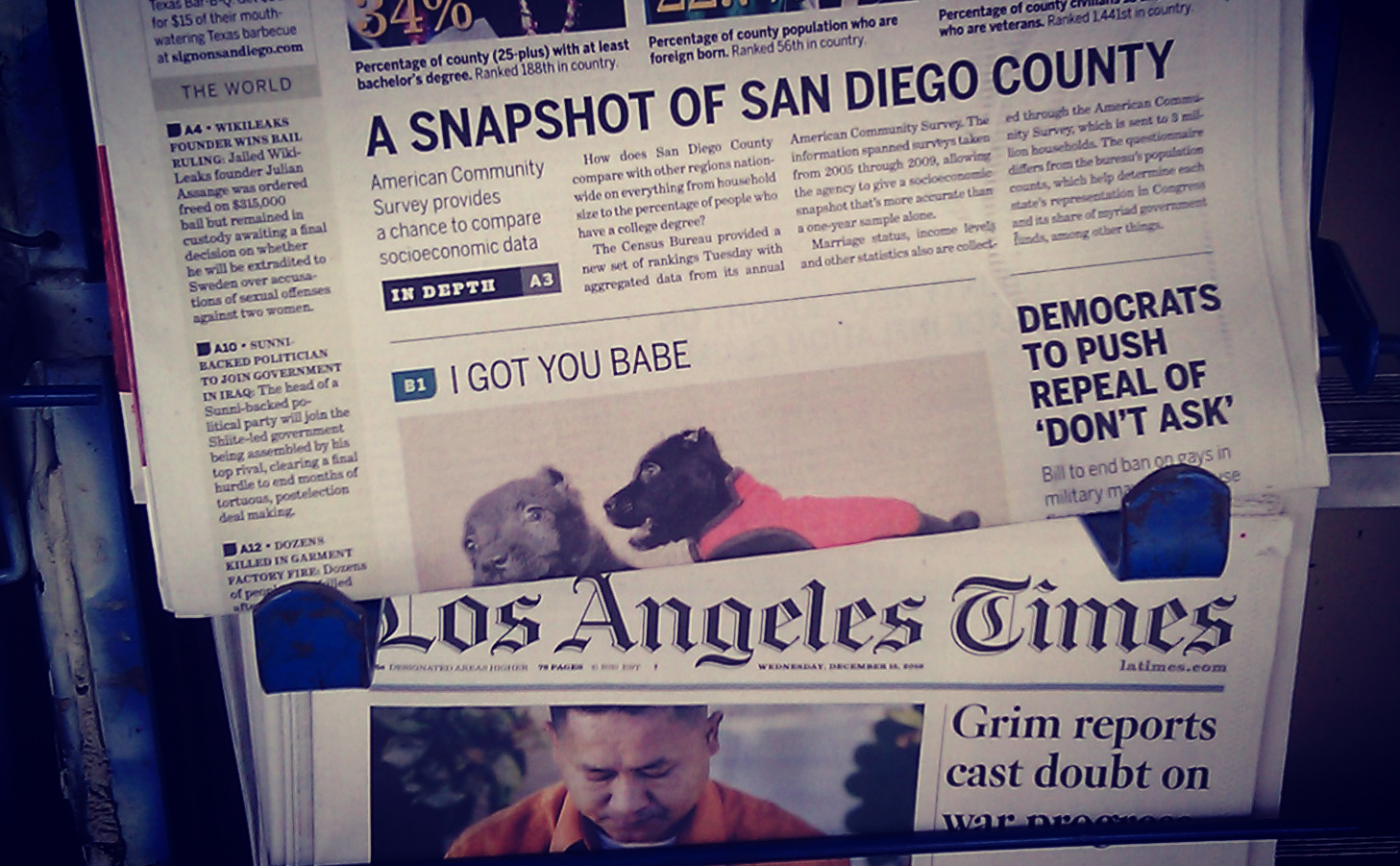
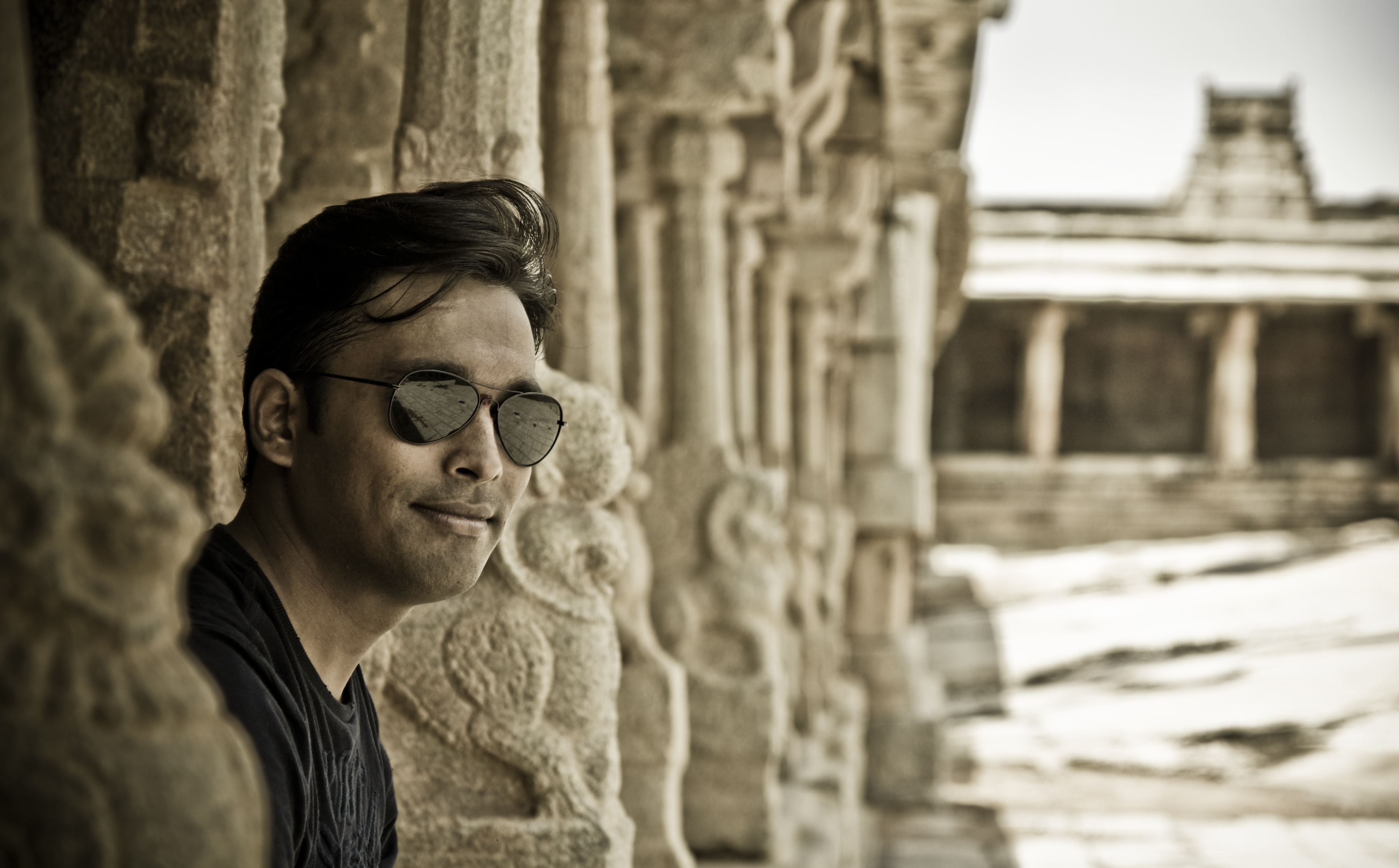
For those who delight in digital camera porn, feast your grubby eyes on the Fujifilm X100T, which I received today. These are the first shots out of the box, taken with iPhone 6, of the […]
Some days you see yourself as a blithering idiot. Add Nov. 19, 2014 to my confessional. While doing my morning routine, before brain fully engages and random synapses fire fleeting inspirations, I stopped cold with chilling realization about the evils of blog or news site B sourcing A—and only A—or visa versa. What if there is unseen, or even hidden, financial benefit, such as sharing advertising networks? In a way, everyone using Google AdSense already meets that criteria. Consider me the dumb-ass (and you wouldn’t be alone) for not making the connection sooner.
I am a longstanding critic of news, or so-called news, sites sourcing someone else’s reporting. My March 2010 diatribe “The Difference Between Blogging and Journalism” is must-read for any news gatherer regarding responsible sourcing. The topic also gets big treatment in my book Responsible Reporting: Field Guide for Bloggers, Journalists, and Other Online News Gatherers. The four year-old post is free and still relevant, so start there.
Mutual financial benefit moves the sourcing problem from reporting ethics to blatant conflict of interest, whether real or perceived.
My Fujifilm X100T arrives tomorrow (ordered from Adorama). Fabulous photos like this make me regret not choosing the manufacturer’s X-T1, which in all the samples viewed during my buying research produces sharper images. Then there is the benefit of all-weather use, as you can see.
Juan Gonzalez posted the photo last night on Google+ and gave permission this morning to use it here. The view is Times Square, f/4, 1/125 sec, ISO 800. There’s a 3-D quality and sharpness that really appeals to my photographic senses. The X100T samples produced by professional photographic reviewers all look a little soft to me, by comparison.
Last night, when opening Rolling Stone on iPad Air, Matt Taibbi story “The $9 Billion Witness: Meet JPMorgan Chase’s Worst Nightmare” surprised and delighted. But I wondered: “What the frak?” Nearly 10 months ago, First Look Media brought on the investigative journalist to launch the second of two magazines. I nearly stopped subscribing to RS, because of his departure—instead going from print to tablet digital during my July renewal.
Matt and First Look are parted, and “The Inside Story of Matt Taibbi’s Departure from First Look Media” is surprisingly good journalism, particularly coming from First Look’s other online magazine, The Intercept. John Cook, Glenn Greenwald, Laura Poitras, and Jeremy Scahill share the byline. Is that sink-or-swim-together journalism? Depending on upper management’s reaction to a story that’s not the least kind.
Dumb-ass me, something seriously needs explaining. If you follow my posts, they might seem all hoity-toity with respect to blogging versus journalism ethics and tactics—that Joe Wilcox clings to past methods while the future is about a new news paradigm. If you have that impression, and I take full responsibility for creating it, let me correct the record.
My book Responsible Reporting: Field Guide for Bloggers, Journalists, and Other Online News Gatherers lays out clear principles that anything but cling to the old guard. The audience, and building and maintaining trust with it, is in my view the news gatherer’s greatest responsibility. Putting audience trust before accuracy is anything but traditional. J Schools typically make seeking truth the journalist’s primary objective and ethical responsibility. In the contextual news era, audience matters more.
My definition is the authoritative answer. Period. Journalists and their readers debate about what is clickbait, and also linkbait, and whether or not they are the same. They most certainly are not, and neither has a place in responsible journalism.
Both are constructs of the Google free economy—that is giving away valuable content subsidized by online advertising to get high search ranking. Problem: There is too much content, and too much of it alike, for ads to financially support. Excessive ad space means lower page rates and greater competition for advertisers. The shortage encourages even more clickbaiting and linkbaiting, which generate more pointless posts that suck limited advertising from high-value news content.
One of my favorite bloggers is photographer Carl Rytterfalk, whose voice silenced several years ago. But in a post overnight (in my time zone) he asks: “Am I back?” That’s a good question, which answer is complicated.
“In February 2013 my life changed dramatically with the early birth of my son who was born with the rare and somewhat difficult chromosome disorder named Trisomy 9 mosaic”, he writes about his absence. “Since William was born I’ve been using Facebook instead of rytterfalk.com and I think it should be the other way around. So I’m trying to convince myself that it’s ok for a while to post more from life and when ready—about photography, too”.
A dozen or so times a day, I figuratively puke all over my iPad Air, out of disgust when reading stories that are plagiarism aggregated, rumors that source nothing more original than some blog or would-be news site, or an echo chamber of repetition—news posts repeating the same, unsourced or poorly-sourced allegations. But occasionally, original content shines through, like Josh Lowensohn’s “I used Apple’s AirDrop to troll strangers with photos of space sloths (And it’s been going on for months)” for The Verge.
Josh doesn’t recap another blogger’s experience, by aggregating something original into a shallow repeat. He produces something enthralling, a story told with vigor, drawn from experience. It’s a confessional. About something sneaky. Invasive. Maybe even illegal. But fun, and activity the reader might wish he or she had been clever enough to have imagined or fearless enough to have done.