My daughter’s cat, Kuma, caught this little sparrow, which she rescued and I later took to a wildlife shelter. (Featured Image was taken using Fujifilm X100. Vitals: f/4, ISO 200, 1/179 sec, 28mm; 3:42 p.m. […]

My daughter’s cat, Kuma, caught this little sparrow, which she rescued and I later took to a wildlife shelter. (Featured Image was taken using Fujifilm X100. Vitals: f/4, ISO 200, 1/179 sec, 28mm; 3:42 p.m. […]
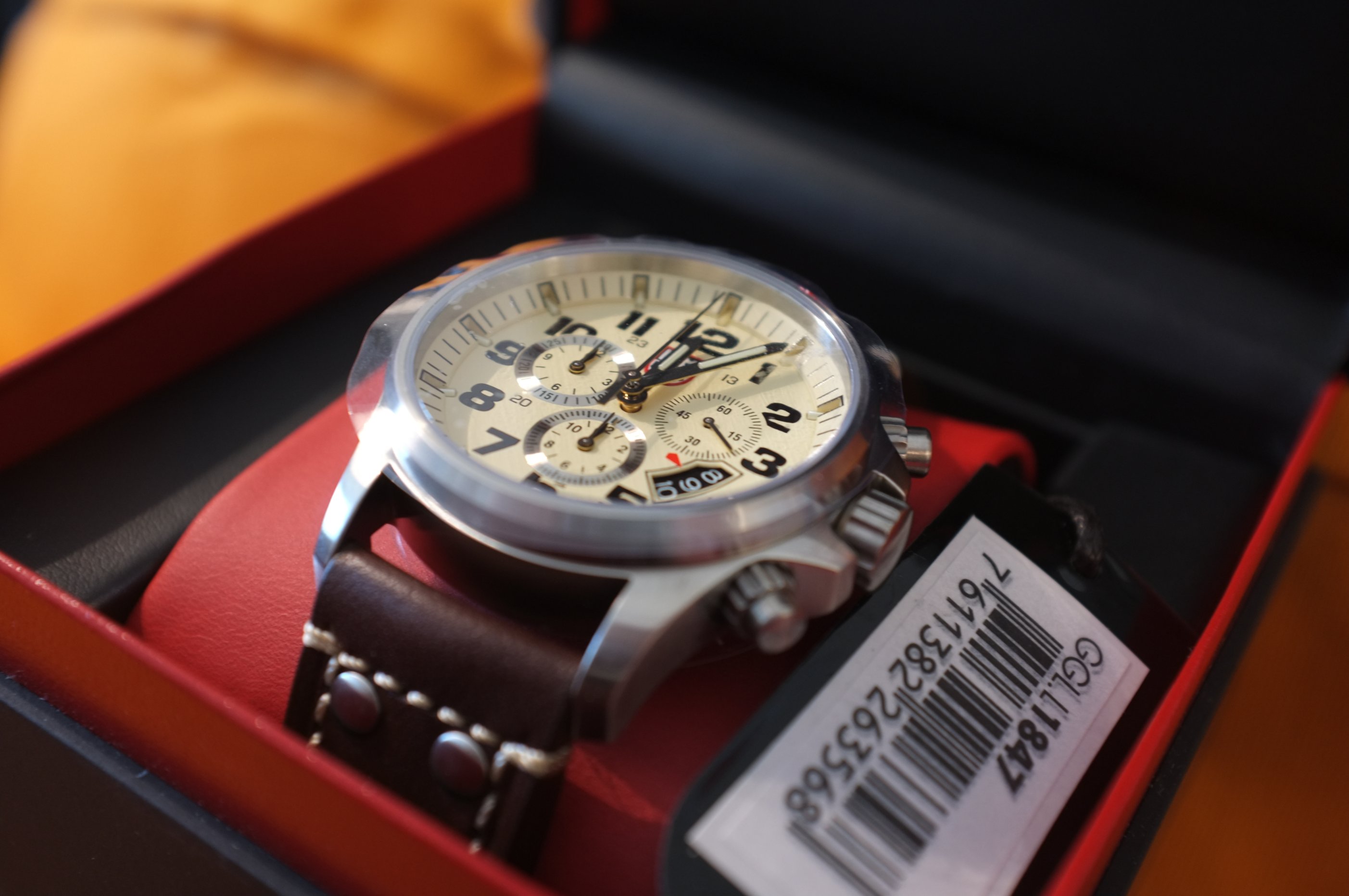
On Aug. 1, 2011, I sold my 11.6-inch MacBook Air to a friend. I let him pay in Amazon bucks (e.g., gift certificate), which I used to buy my daughter a LensBaby fisheye lens and […]

While my wife and I visited Ocean Beach Pet Supply, a woman and her daughter brought in a kitten. The woman claimed some guy driving by handed it to her, told her he found it […]
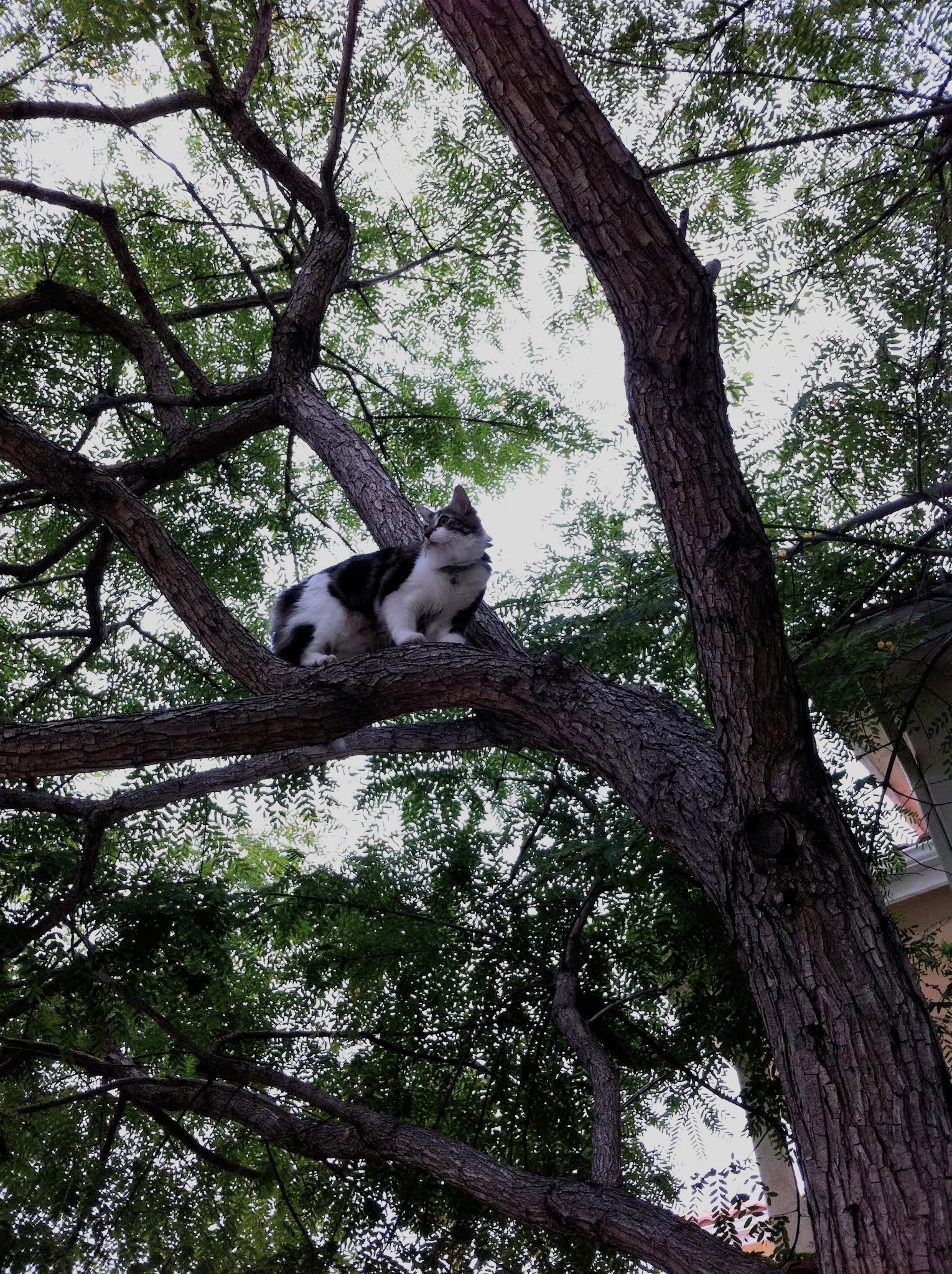
I am getting a late start this morning. Our Maine Coon, Kuma, climbed his first tree today and couldn’t get down. A young woman walking her dog helped our boy reach the ground. Big as […]

So, let me understand. David Pogue, the popular blogger contracted by the New York Times, shills for public-relations companies—demonstrating gross conflict of interest—and the consequence is what? He’s barred from making certain PR-influenced speeches?
The Times doesn’t go nearly far enough. The excuse: “Pogue is a freelancer, not a staffer. Philip B. Corbett, associate managing editor for standards, noted that under the policy freelancers are held to the same standards as staff members ‘when they are on Times assignments’. In this case, he wasn’t on assignment for The Times”.
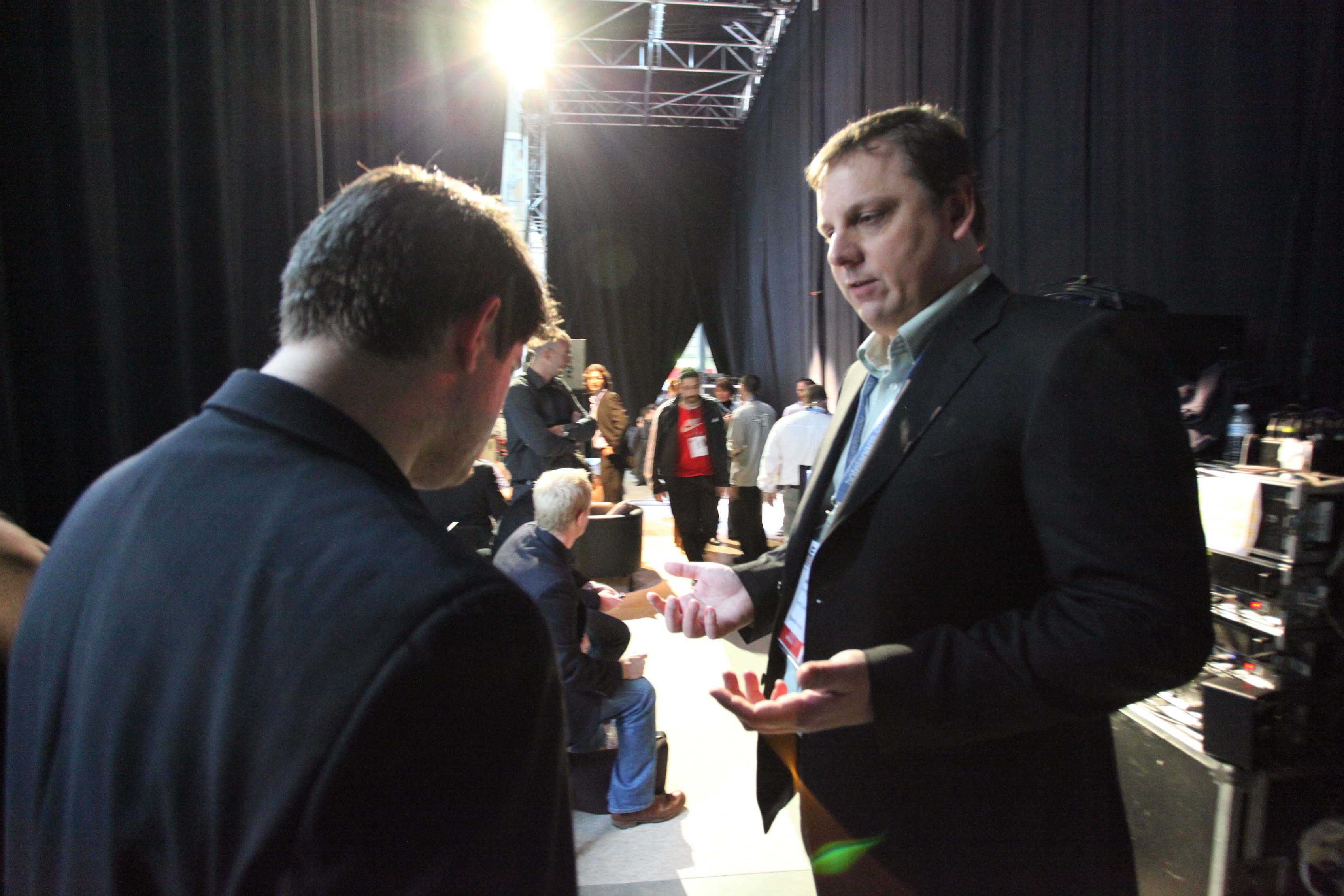
A month ago, April, 27, 2011, Michael Arrington posted “An Update To My Investment Policy”, which not surprisingly generated negative reaction from established journalists. I wanted to respond right away, but I’ve been too busy at Betanews, where new editorial responsibilities add to writing.
The issue is a long-standing one of debate regarding TechCrunch’s founder—that he invests in, or has other business dealings with, some of the companies he writes about.
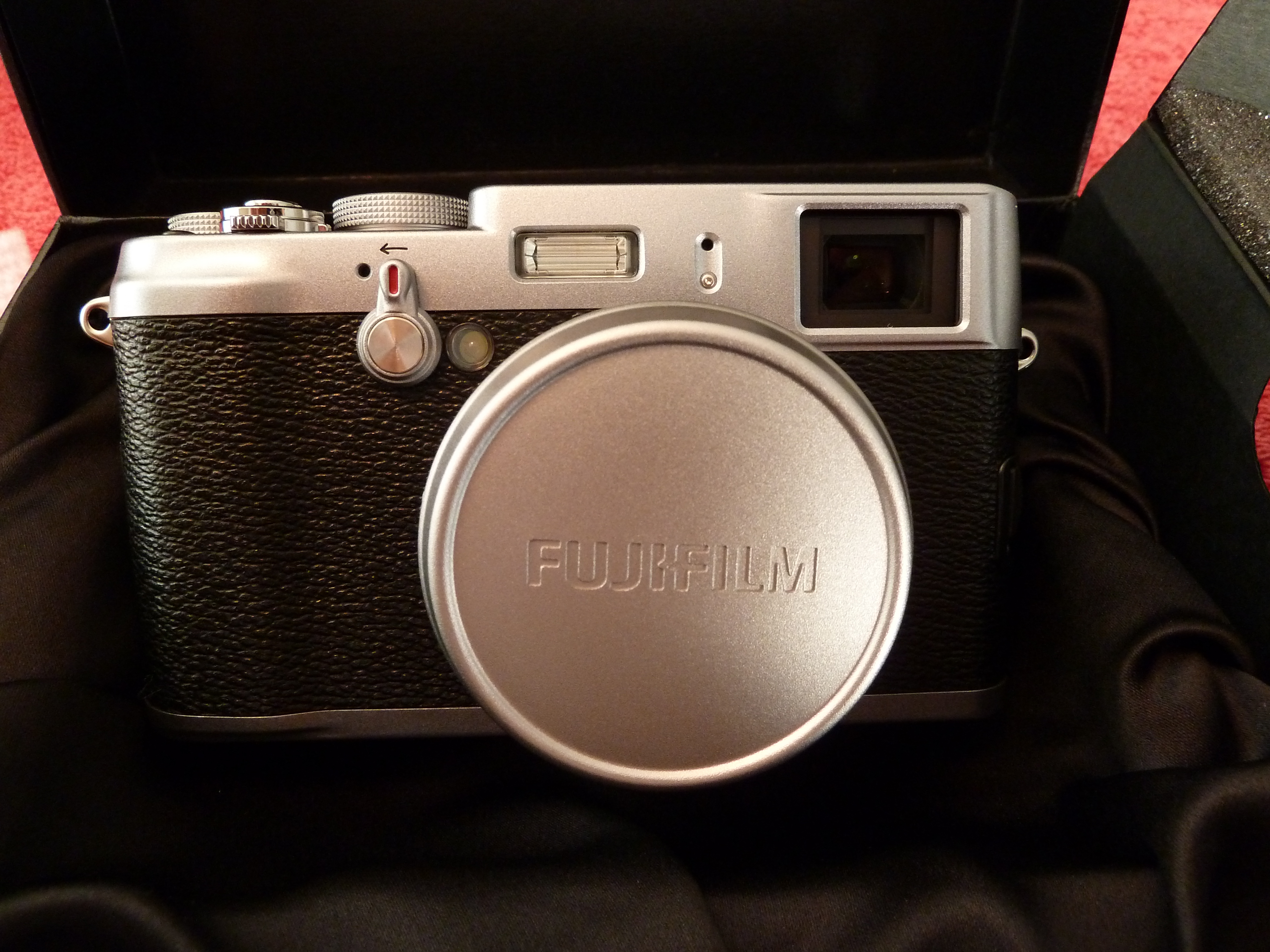
Few digital cameras have caused as much stir as the retro-styled compact now available in the United States on a limited basis. The Fujifilm FinePix X100 joins the Leica X1, Sigma DP1x and DP2x, Sony Alpha NEX-3 and NEX-5, and micro four-thirds cameras like the Olympus PEN E-PL2 and E-P2 or Panasonic DMC-GF2 in a newer class of mirrorless digicams. I used or owned the DP1, DP2s, E-P2, GF1, and X1.
However, like the Leica X1 or Sigma DP series, the X100 is eccentric—the lens is fixed and cannot be changed. Who on earth would buy a digital camera without telephoto? I, for one. Many professional photographers for another. I’m no pro, but I have specific needs as a journalist for which the X100 is ideally suited. The Fuji is the only camera I own. Whether or not it will be sufficient for my needs, or possibly yours, is question answered by continuous use. For now, I offer my first impressions and explain what are this camera’s major benefits.
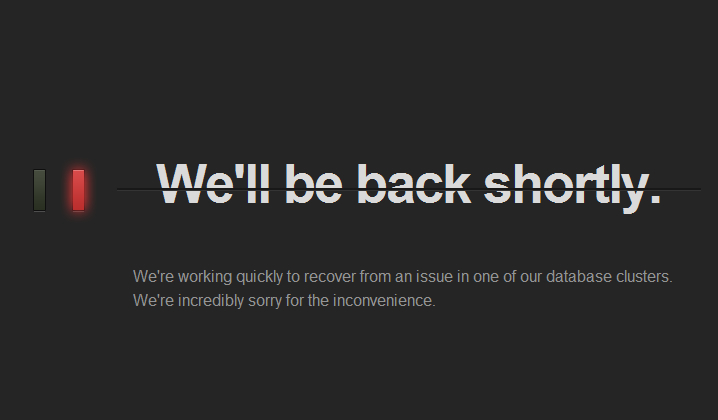
It only seems like I’m kicking Tumblr when it’s down, quite literally. But I’ve been planning to write about giving up Tumblr for some time. The microblog’s service outage, now going on for more than 17 hours as I write, is just the news hook. TechCrunch gets my headline of the week award, partly stated: “Tumblr Redefines The Concept Of ‘Back Shortly‘”. I’ll say. TechCrunch is a WordPress.com VIP; not Tumblr.
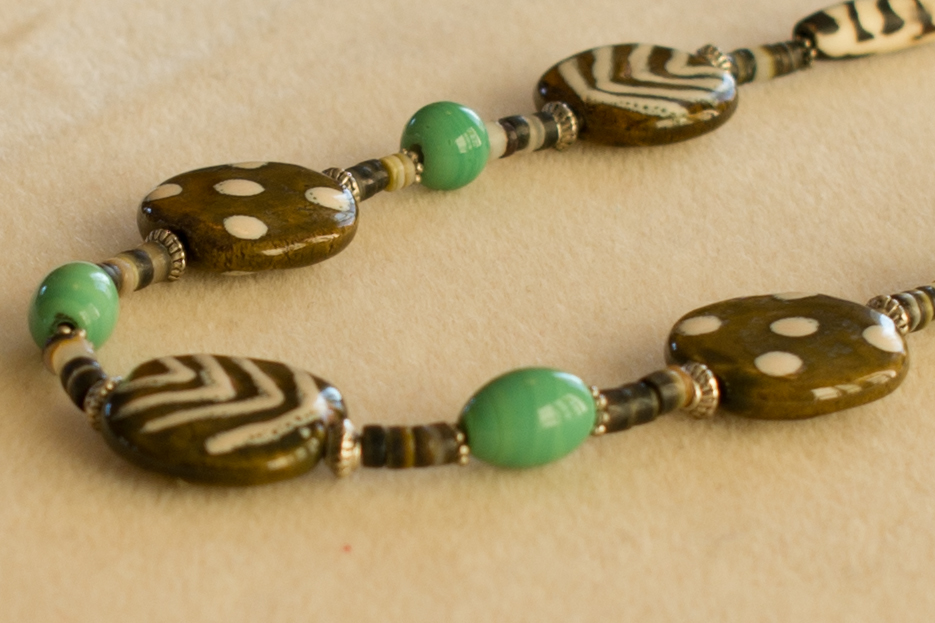
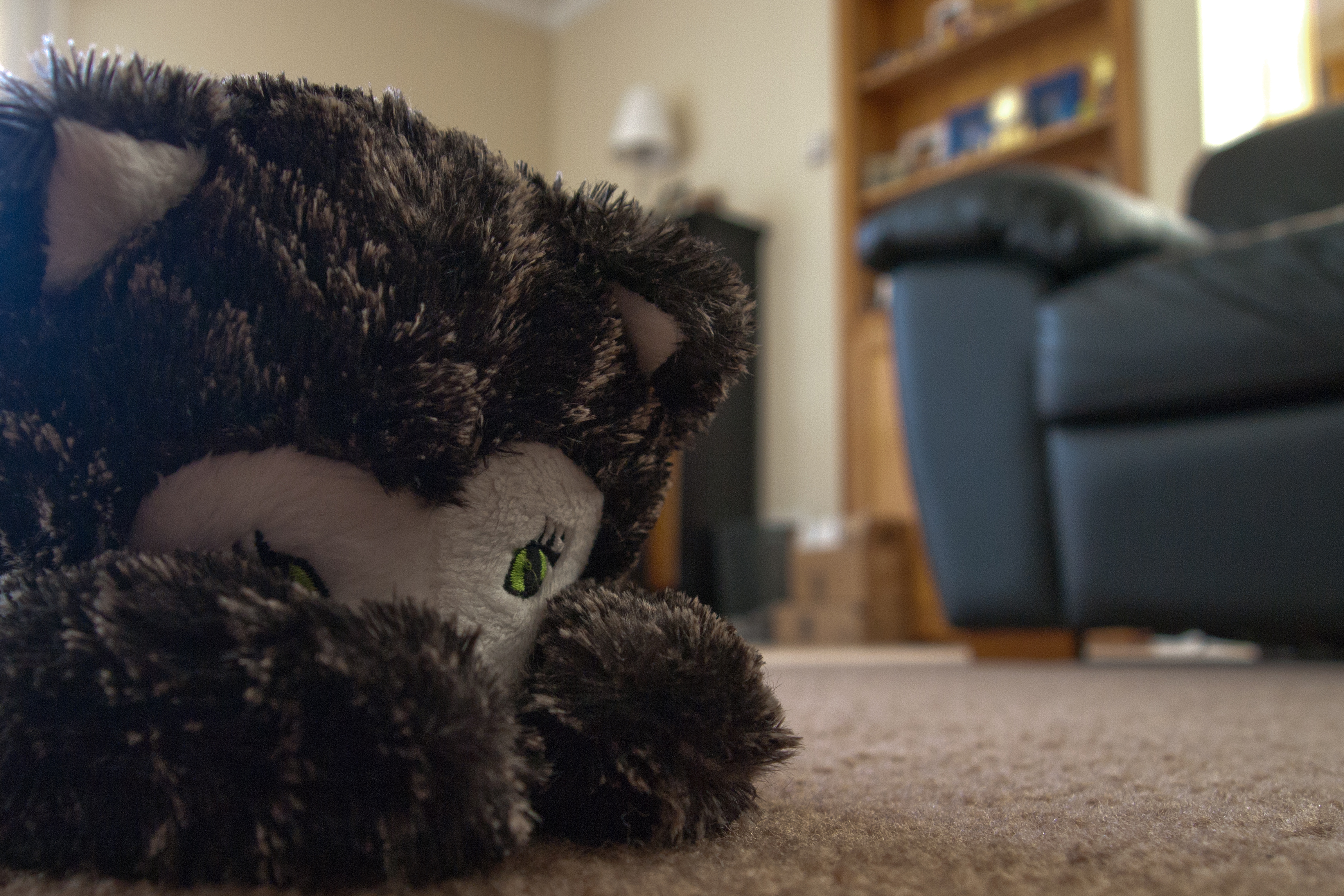
On December 1, my wife started selling handmade bead necklaces at Etsy. It’s something we discussed for a long time. She’s new to Etsy, but not me. I have long been early adopter of online services. For example, I opened my Yahoo account in 1996, I rented my first Netflix DVD in 1999 and in 2006 I joined both Facebook and Twitter. I opened an Etsy account in July 2006 to purchase for my daughter the Amigurumi Flowery pink bunny rabbit with matching bag. It’s pictured below without the bag; photo taken today. My teenager still has the handmade animal four-and-a-half years later.
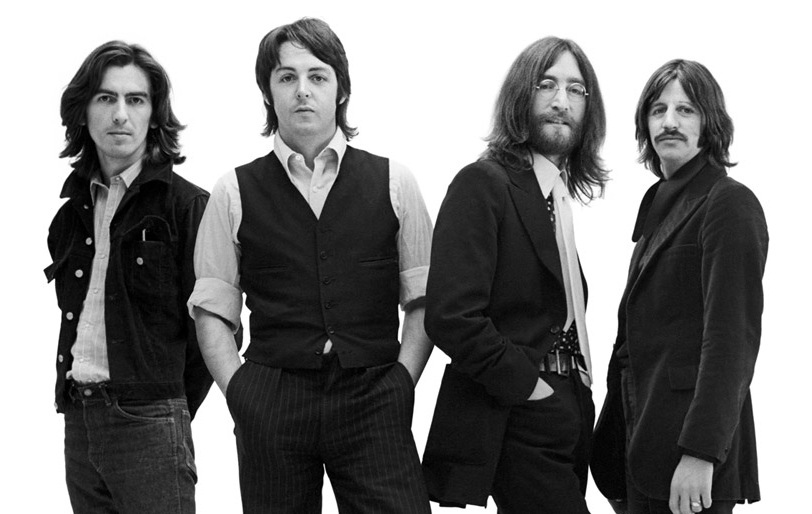
This morning I tweeted: “I put Beatles albums in my daughter’s iTunes library years ago. Suddenly, now that Beatles are top iTunes downloads, she’s listening.” That succinctly explains what The Beatles get from the exclusive distribution deal with Apple. There are millions of Millennials who aren’t acquainted with Beatles music, and they might never be with their parents listening to it. But everything changes if their friends are Beatling.
On Nov. 19, 2010, the Economist released mobile apps for iPad and iPhone. I received email notification the same day and new print issue with info about the apps a few hours later. Economist charges one fee to subscribers. My print subscription provides access to online content and now to the mobile apps. That’s exactly the right approach. So why are so many other publishers doing digital wrong?
Internet polls are fun but rubbish. Formal surveys conducted by so-called experts aren’t much better. If you disagree, consider this: A poll I conducted for Betanews asking “How would you identify yourself as a computer user?” puts more than 25 percent of respondents as Linux PC users and less than 61 percent as Windows PC users. Do you believe that? I don’t. But I do believe, as early results indicated, that there are more Betanews readers identifying themselves as Linux PC users than Macheads. But more than one-quarter are Linux users? Perhaps in some alternative universe, but not this one.