I generally don’t bother with HDR, and my post-processing is limited as possible. Main reason: I don’t have time. Another: I prefer to set the camera to capture what my eyes see. That said, this […]
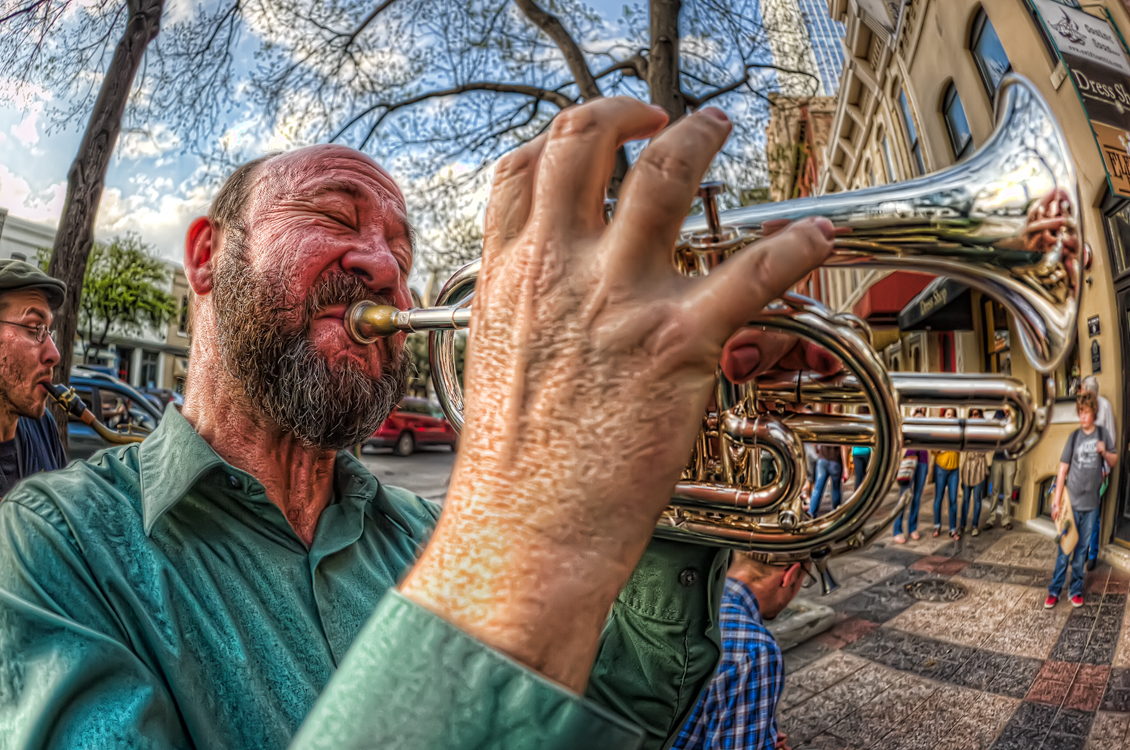
I generally don’t bother with HDR, and my post-processing is limited as possible. Main reason: I don’t have time. Another: I prefer to set the camera to capture what my eyes see. That said, this […]

All good reporting begins with one question, which is topic of today’s excerpt from my ebook Responsible Reporting: Field Guide for Bloggers, Journalists, and Other Online News Gatherers. Among the five chapters from Section III, two—this and the previous one—primarily focus on the importance of sound sourcing. Chapter IV explains the importance of original sourcing at a time when so many blogs or news sites cite one another as primary source; that’s terrible form. Today’s installment is all about assessing sources’ motivations for giving you information.
The two views on sourcing are related because bad practice of either leads to the same outcome: Propagation of misinformation. The first is easily fixed: You make the contacts and get first-hand sources rather cite blog, forum, tweet, etc., without vetting who is behind them, while corroborating with sources with whom you personally interact. The second, and topic today, is more complicated. You need to understand what the other party gains, particularly when leaking something directly to you.

Sometimes simple says more by being less—as is the case with our Day taker. Lauren Hammond shot self-titled “And They Lived Happily Ever After” on Sep. 14, 2011, using Nikon D3000. Vitals: f/4.2, ISO 250, […]

Serialization of my ebook Responsible Reporting: Field Guide for Bloggers, Journalists, and Other Online News Gathers is off-schedule ahead of its release into the public domain. So, as an effort to catch up, I present installments today and Sunday, for your weekend reading.
Today’s chapter is among the most important from the book. I discuss the reporter’s responsibility to be accurate. Simply stated: Write what you know to be true in the moment, and expect what you know to change. The chapter is another where establishing and maintaining trust with the audience, and also sources, is foundational to reporting responsibly.
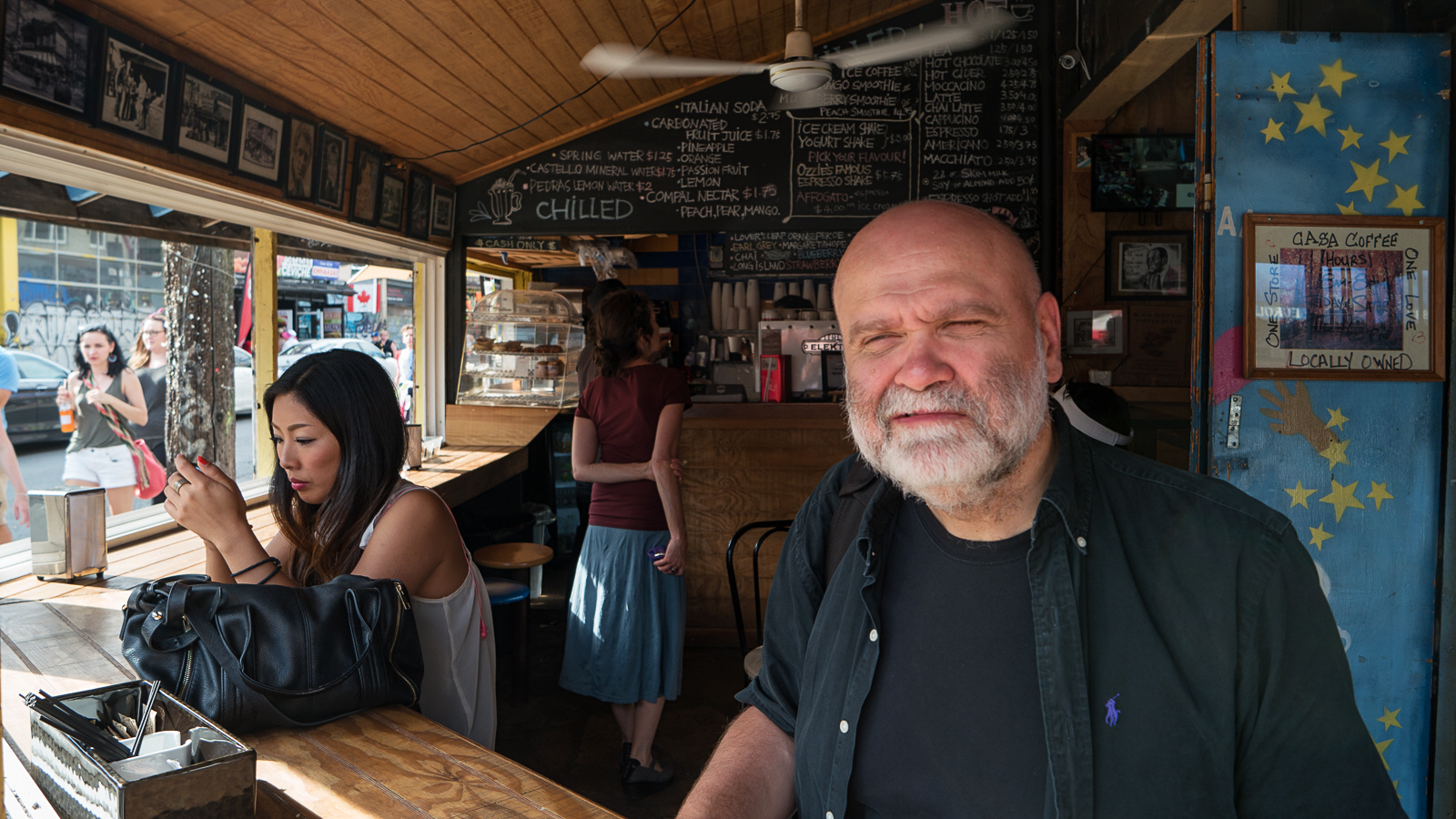
There is raw energy—emotional charge—behind the street photography of Ryan Raz. His style is unmistakably intimate and brazen. Composition often hides, at first glance, something intriguing on closer examination.
Self-titled “Squint Eyed At Casa Coffee” is unremarkable on quick inspection. But there is something about the motion of life—the women in and outside the shop—and the subject’s all-but-closed eyes that is immediate and unpretentious.
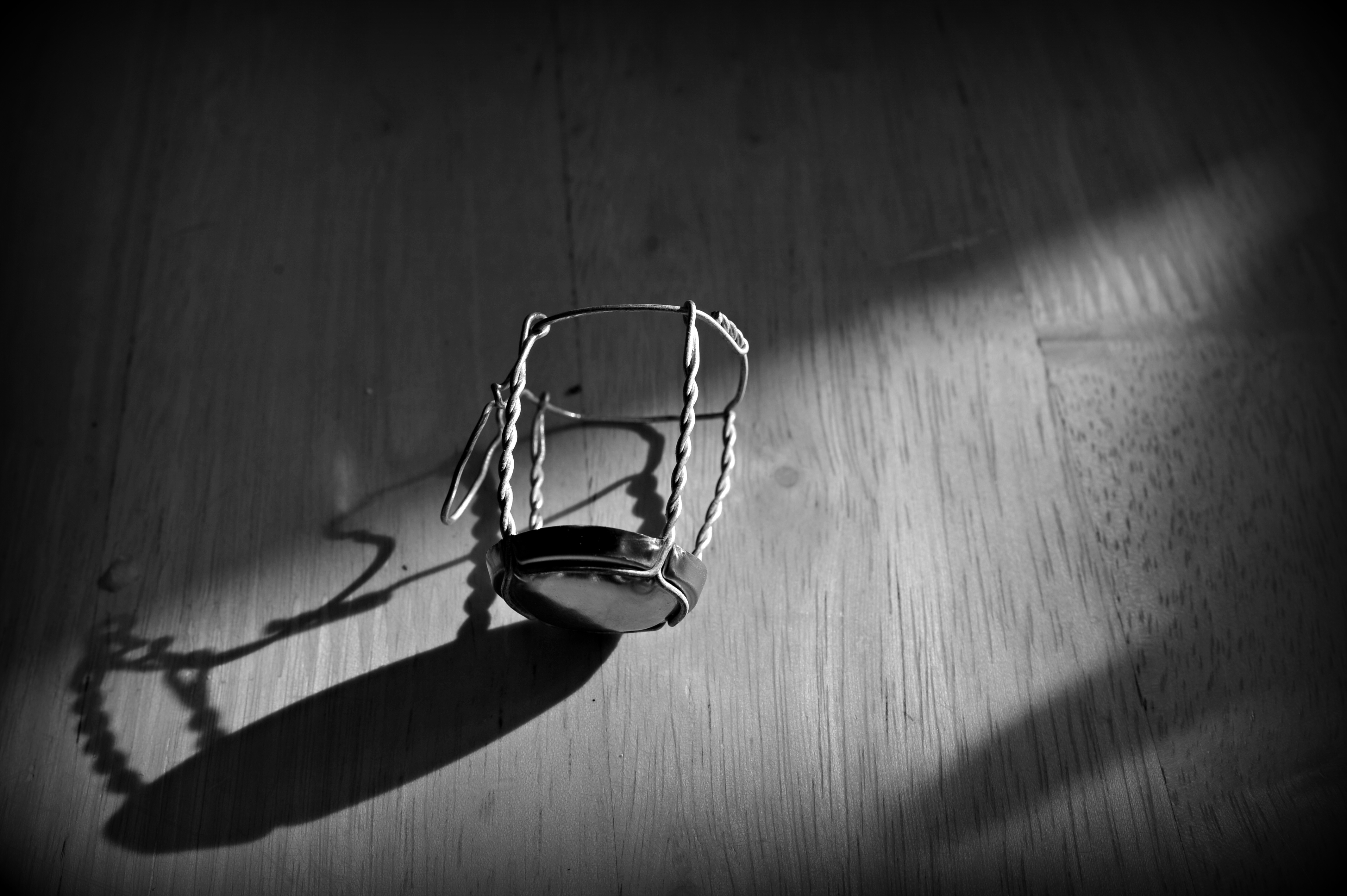
Clever is how I describe today’s selection. The shot appeals, but surely self-titled “An Auspicious New Year—Sex on the Beach with Sweet Bitch” teaches something. Perhaps it’s the stated topic, or use of “sex” and “bitch”, that racked up more than 158,000 views since Timothy Janecyk shot the black and white on Jan. 1, 2013, using Nikon D700 and 35mm f/1.4 lens. Vitals: f/10, ISO 200, 1/400 sec, 35.6mm.
“When I woke up, I thought it was all a dream or something”, he teases. “What an amazing start to the New Year! Sex on the beach with Sweet Bitch. I couldn’t ask for anything more than that. I am the luckiest guy in the world. I hope your New Year is off to as good a start as mine! Happy New Year!” But Timothy’s escapade wasn’t a woman. Sex on the Beach is a cocktail recipe and Sweet Bitch Moscato Rose is a wine. Not being a drinker, other than a wee bit during my 18th year (legal age in 1977), I wouldn’t know.
First looking at the photostream of Dan Reed, I puzzled over the perspective and subjects, which are unlike anything else yet featured in this series. He shoots streets, buildings, and such from vantage points that are atypical. Then I read his bio. He’s an architect and city planner. Dan looks at things with a dramatically different eye than I would; he sees things in another context that is refreshing and revealing.
Dan shares his insights at blog “Just Up the Pike“, which refers to Maryland Route 29, or Columbia Pike. Our daughter was born when we lived off 29, just outside Silver Spring, which is Dan’s hometown.
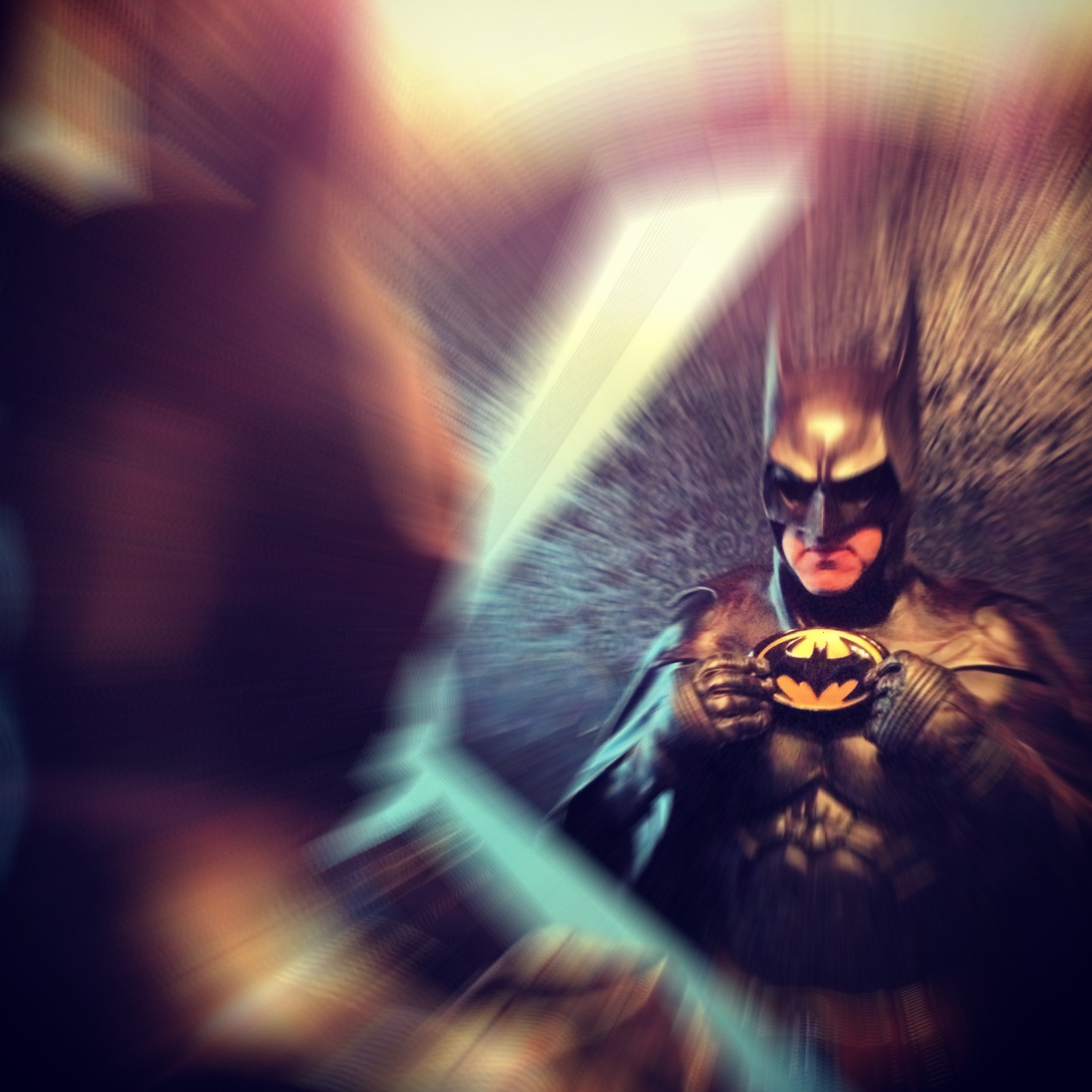
Last night, a Washington Post story compelled me to make a quick change in today’s selection. Lenny Robinson, better known around the Washington, D.C. area as the Route 29 Batman, was struck and killed after […]
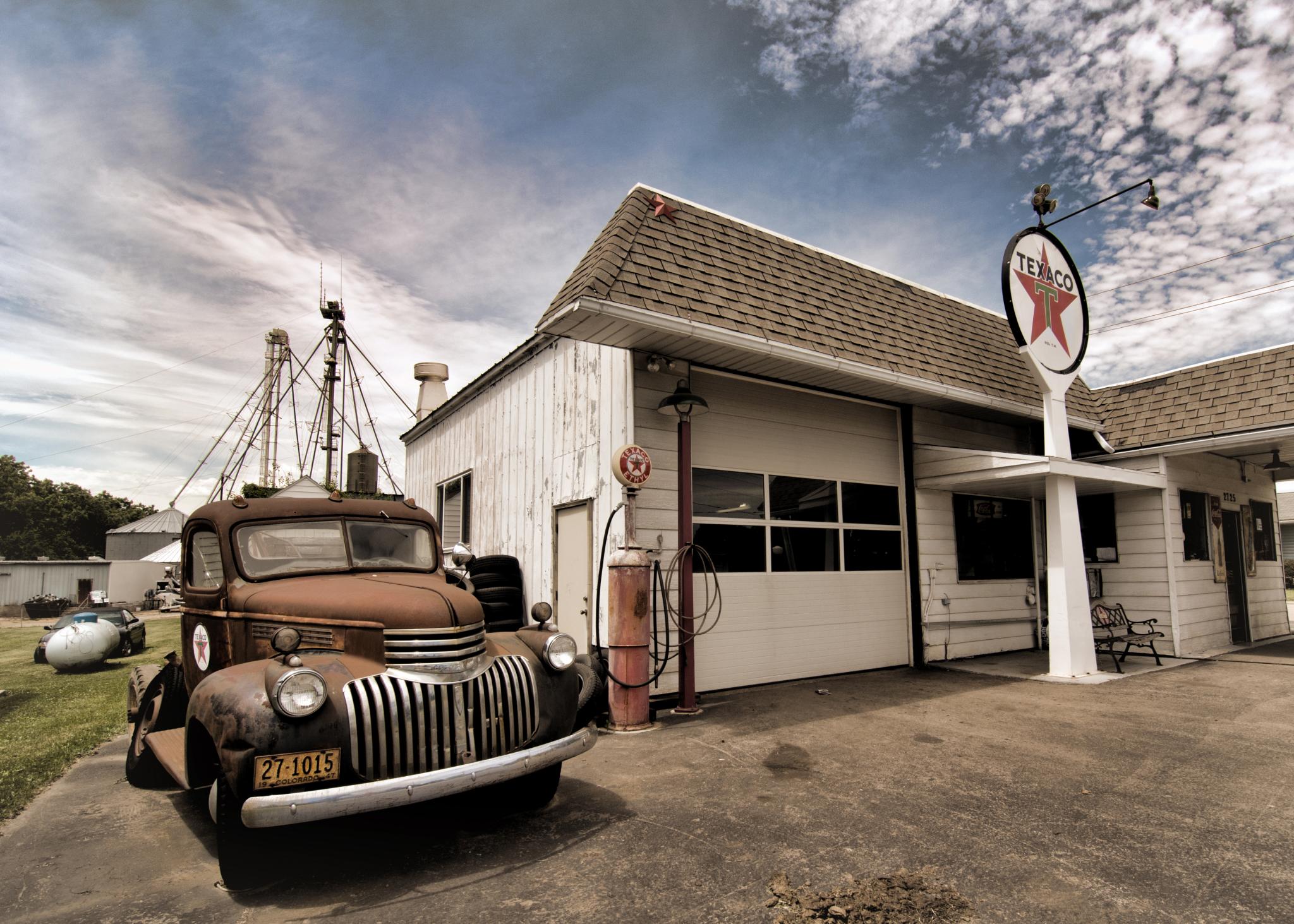
I don’t know what best describes the photostream of Pete Zarria—urban decay, rural iconic, or something else. The Davenport, Iowa, native primarily shoots signs and buildings across the U.S. Midwest. They give a sense of […]

One of the problems with bad news reporting: Those of us who strive to be responsible and accurate are lumped in with the lumps of coal, and the black powder rubs off on us. Illustrative: The excellent exchange I had over at BetaNews to the version of my Dell Chromebook 13 story posted there.
Commenter Joe HTH bristled about bloggers overstating NPD data and making Chromebook’s success much larger than it really is. I agree that this occurred about 18 months ago. But he levels his accusations at my reporting , which I assert correctly stats and interprets newer data that the analyst firm released just a few days ago. What follows is his comment and my response, in red and blue rather than block-quoted. I put story titles to my links, which are presented differently in the commenting system.
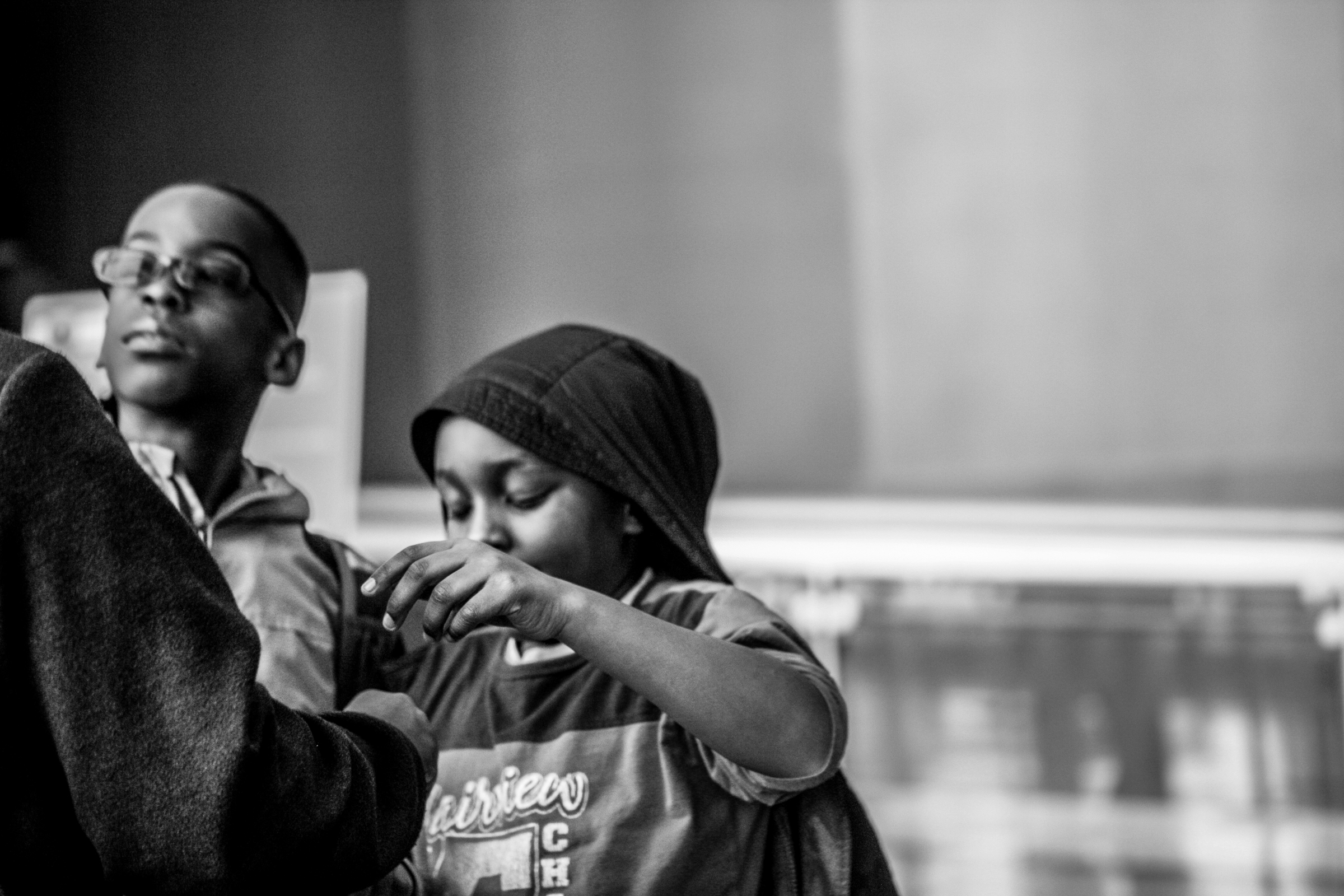
Searching for photos to feature, I come across many stinkers. The worst offenders are those with greatest potential: Composition is excellent, but the image is blurry—perhaps being out of focus or because of camera shake. […]
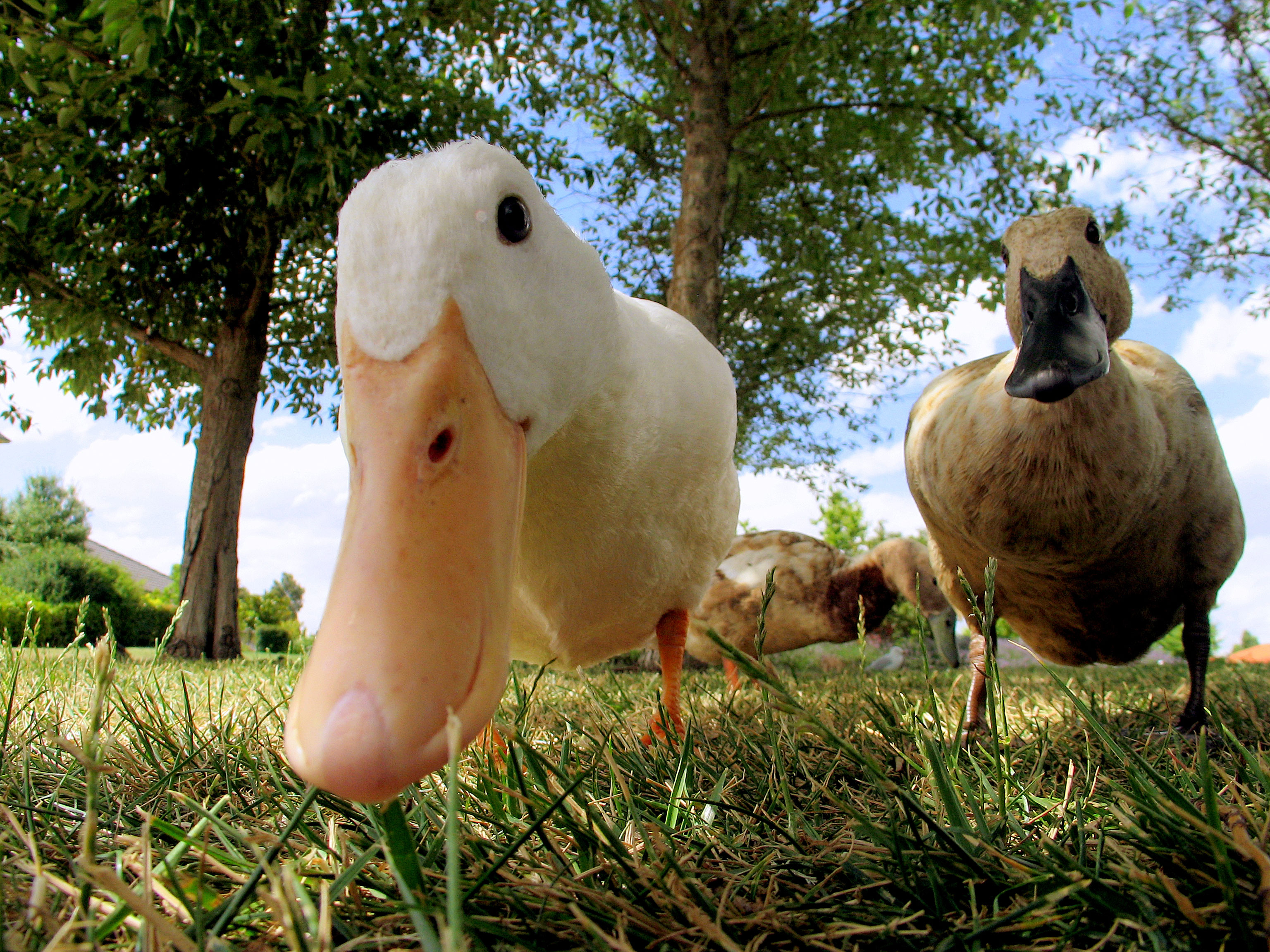
The photo service now owned by Yahoo shed some early adopters. David Tomic is among them. He joined Flickr in June 2005 but stopped posting the following year, despite clear enthusiasm as a “self-taught photographer”. […]