Category: Gear

Read More

Origin Story

Sometimes the Internet community surprises me. My last post, “Apple, How Did It Come to This?” is why. Everyone creating content everywhere wants to know the magic formula for generating reader response. The pageview-obsessed seek the golden ticket that consistently means clicks. Me? I write obsessively. It’s like breathing—a necessary and unavoidable act.

The “Come to This” post garnered quite a bit more attention than I expected, in part because of its origin. Some of the activity is Twitter, but more of it occurred on Google+ overnight. The post is an adapted Plus response to a comment to a shared BetaNews story that I wrote based on something else I posted first on Google+. Confusing, isn’t it? I’ll explain in linear fashion. 

Read More

Apple, How Did It Come to This?

Last week, I sold my 2015 MacBook Pro to a New Yorker vacationing in San DIego and returned to using Chromebook Pixel LS, which I wouldn’t have guessed when buying the Apple laptop in June. From Day 1 the MBP felt slower in every way. I expected the Mac to be a creative enhancer, as had been my experience going back to my first in December 1998. The computer proved to be an impediment instead.

What’s missing in subtle but cumulative ways: Quality. The computer looks the same but doesn’t feel the same. My reaction to Apple Watch, which I also sold, is similar. Something is missing. There’s a glitchiness that is hard to characterize that is pervasive. Time is wasted, and creative flow is disrupted. 

Read More

What’s Next for Project Fi?

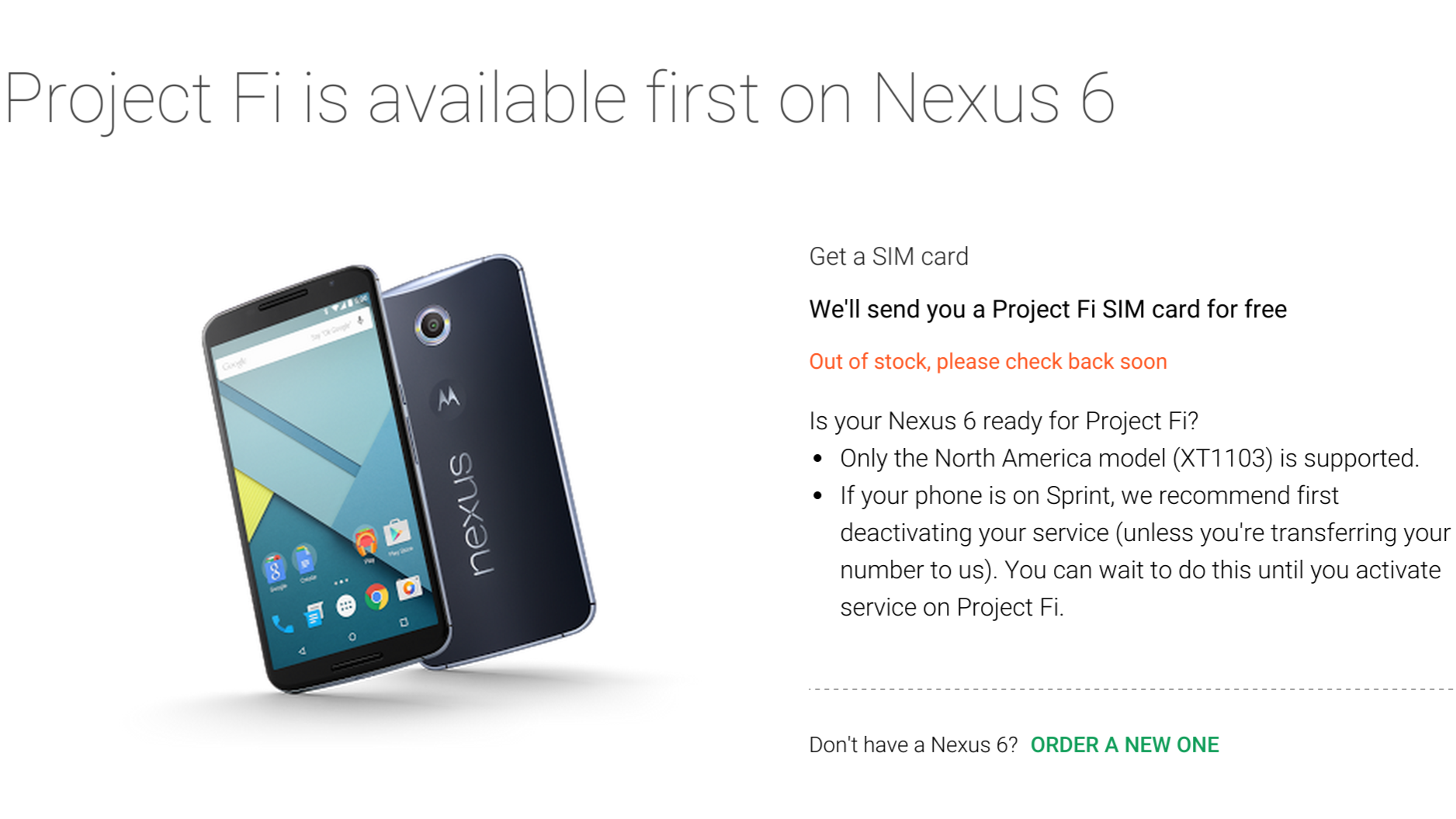
As September 29th approaches, and Google’s annual autumn launch event, rumors increase in frequency, and a few in absurdity, about what will be revealed. The gadget-obsessed shouldn’t forget what else might arrive with one, or even two, rumored new Nexus smartphones: Expanded support for Project Fi. I am surprised how little buzz there is among the fan base. Where are the rumor-wagging tongues?

The search and information giant introduced the invite-only cellular service in April 2015, piggybacking Sprint and T-Mobile networks for a cool $20 a month, plus 10 bucks more for each gigabyte of data (refunding for portion unused). The gotcha: Project Fi only supports one device: Nexus 6. You buy one or you bring your own. Otherwise it’s fee-Fi-fo-dumb for you. 

Read More

Google OnHub Review

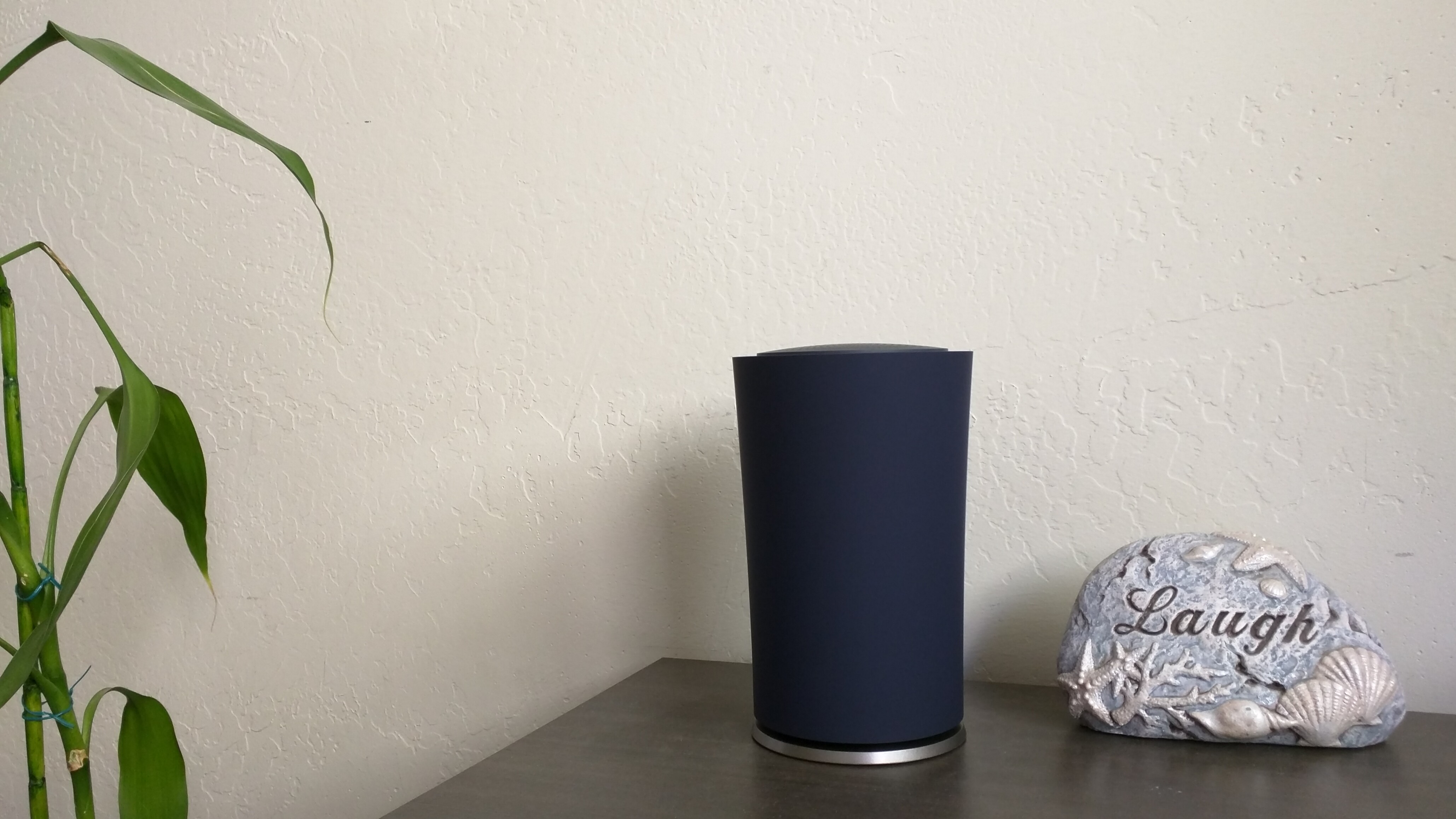
One word: Fantastic! That should be enough said, but one of my colleagues asked me how much OnHub costs. He bristled at $199.99, calling it too much. So, okay, let’s do a real review that explains the magic that Google and partner TP-LINK accomplish with this remarkable router. But I warn you now: Buying one, even for two C notes, isn’t easy. This thing is out of stock most everywhere, as it has been for weeks.

Simply stated: OnHub is the best router ever to anchor my home network. Beauty, simplicity, availability, and extensibility are OnHub’s defining characteristics. Sold in blue or black enclosures, the thing is gorgeous, and it feels as solid as it looks. Setup and maintenance are frightening for their ease. The usable wireless range far exceeds the Apple AirPort Extreme router that OnHub replaces in my home. The network device packs protocols and other features you won’t need now but will want later on. 

Read More

iOS 9 Upgrade Gone Wrong

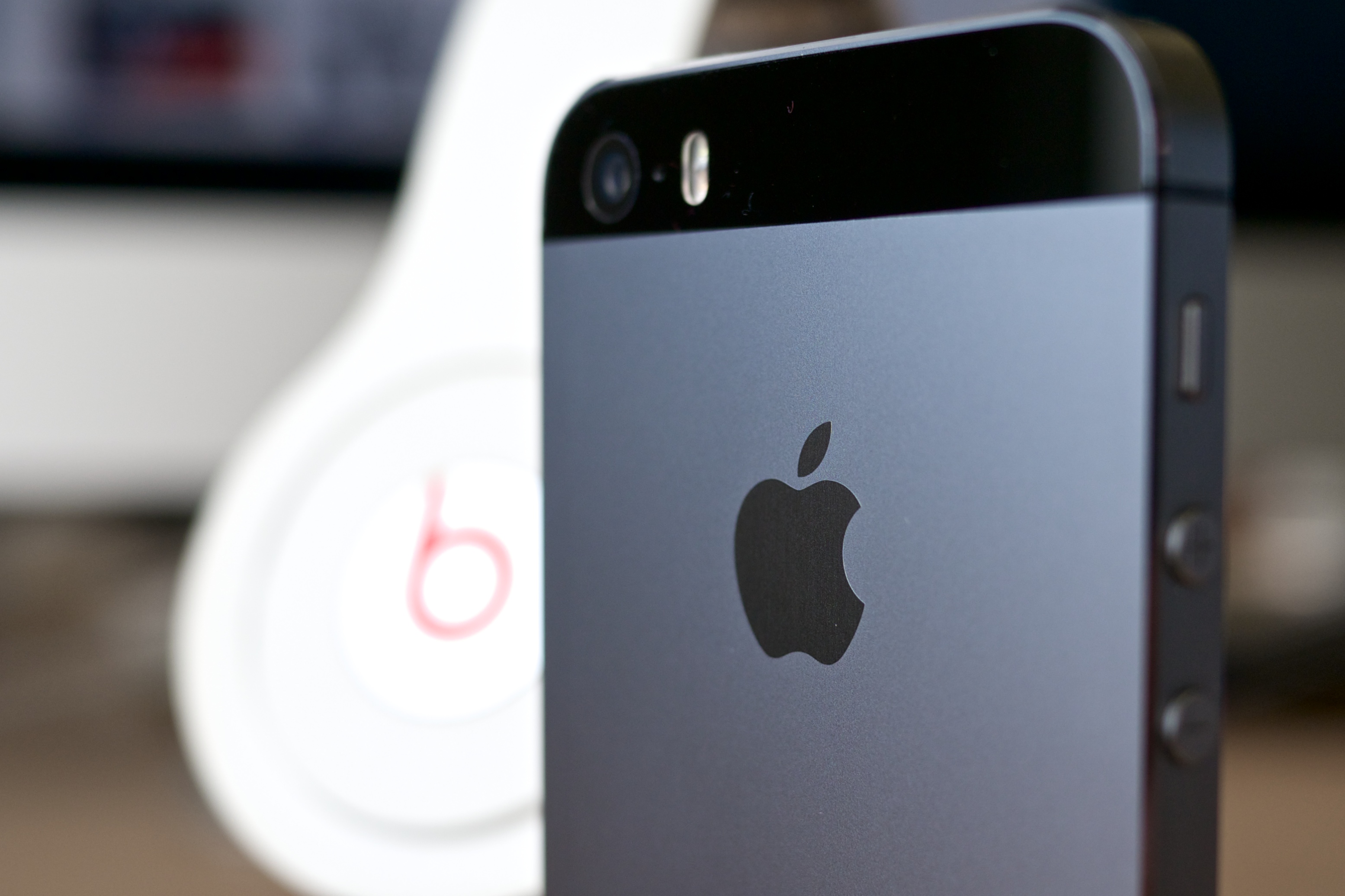
Friday night I texted my wife: “It’s like dying and going to Hell”. That’s where I was two hours into the ordeal of recovering my nearly 94 year-old father-in-law’s iPhone 5s. There’s a 30-minute comedy show script in the experience somewhere. Not that I laughed living through it.

The drama—eh, comedy of errors—started innocently enough. Anne returned from taking her dad to Fish Friday lunch at McDonald’s. He loves the sale price filet sandwich, with two apple pies and decaf. (I wouldn’t eat the desserts, which here in San DIego are now deep fried rather than baked. Change happened a couple months back.) She reported he couldn’t use the phone: Password problem. Around 5:30 p.m., I set off to fix him up.

Read More

Acer Chromebook 15 Review

I am not a fan of overly-large laptops, but if I were to buy one, Acer’s 15.6-inch monster would be among my top choices. The Chromebook packs in lots of value, which first and foremost is 1080p resolution to match the large screen, a benefit that is atypical for the price and size class. Screen brightness is no match for the Toshiba Chromebook 2, but the matte finish compensates for dimness by dramatically reducing glare. Meanwhile, the IPS display gives great viewing angles.

The point: Acer doesn’t just offer bigger, but better, among the overall Chromebook category, where  dim TN screens are standard fare. That also can be said of competing Windows laptops, where with same size screen in the price range, or even more costly, resolution typically tops out at 1366 x 768. Chromebook 15 is 1920 x 1080. By more than size, the display is a big benefit. 

Read More

Dell Chromebook 13 means Business

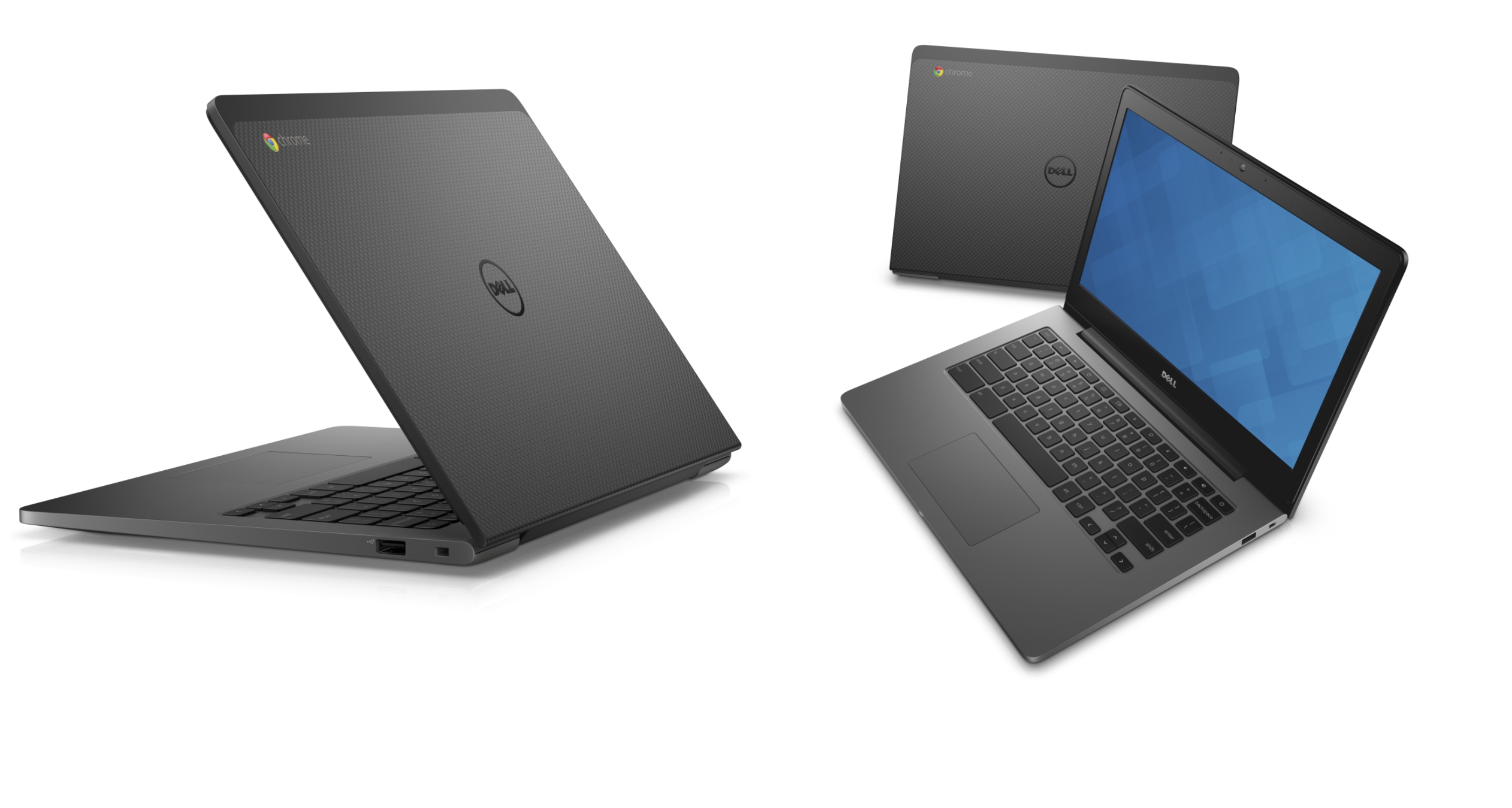
The strangest, and largely overlooked news, coming out of the tech sector this past week was Dell’s Microsoft betrayal. This isn’t the first time that the PC maker strayed. Linux joined the product stable long ago, and last year an educational Chromebook debuted. But this newer and larger model, which will be available September 17, raises question: WTF?

Dell’s core PC market is business—small, large, and everything between. Windows, and that smattering of Linux, is core, and longstanding loyalty to Microsoft’s application stack. But the Chromebook 13 announcement, as positioned by the OEM and Google, is all about the competing cloud app stack. Interestingly, selling prices rival Windows laptops, which is another head scratcher: $399 to $899, depending on configuration. 

Read More

iPhone 6 Plus Review

Sometime within the next few weeks, Apple should announce successors to iPhone 6 and 6 Plus, and my review of the latter device is long overdue. Let’s get to it finally and present the key finding first: If size matters, as in you want a phone with larger screen but that doesn’t feel humongous, the 5.5-inch iPhone 6 Plus is a worthy choice. By measures that matter most—benefits from apps, calling, camera, data, performance, screen, and storage—the phablet is best of class.

As expressed in my iPhone 6 review, I regretted not buying the larger device after handing it. The Plus is big, but not overly large for my tastes. Hell, I bought Motorola-made and Google-branded Nexus 6 in January 2015 to replace iPhone 6; the screen is even bigger than Plus, at whopping 6 inches. I gained great value using either of the larger handsets, but gave up one for the other.

Read More

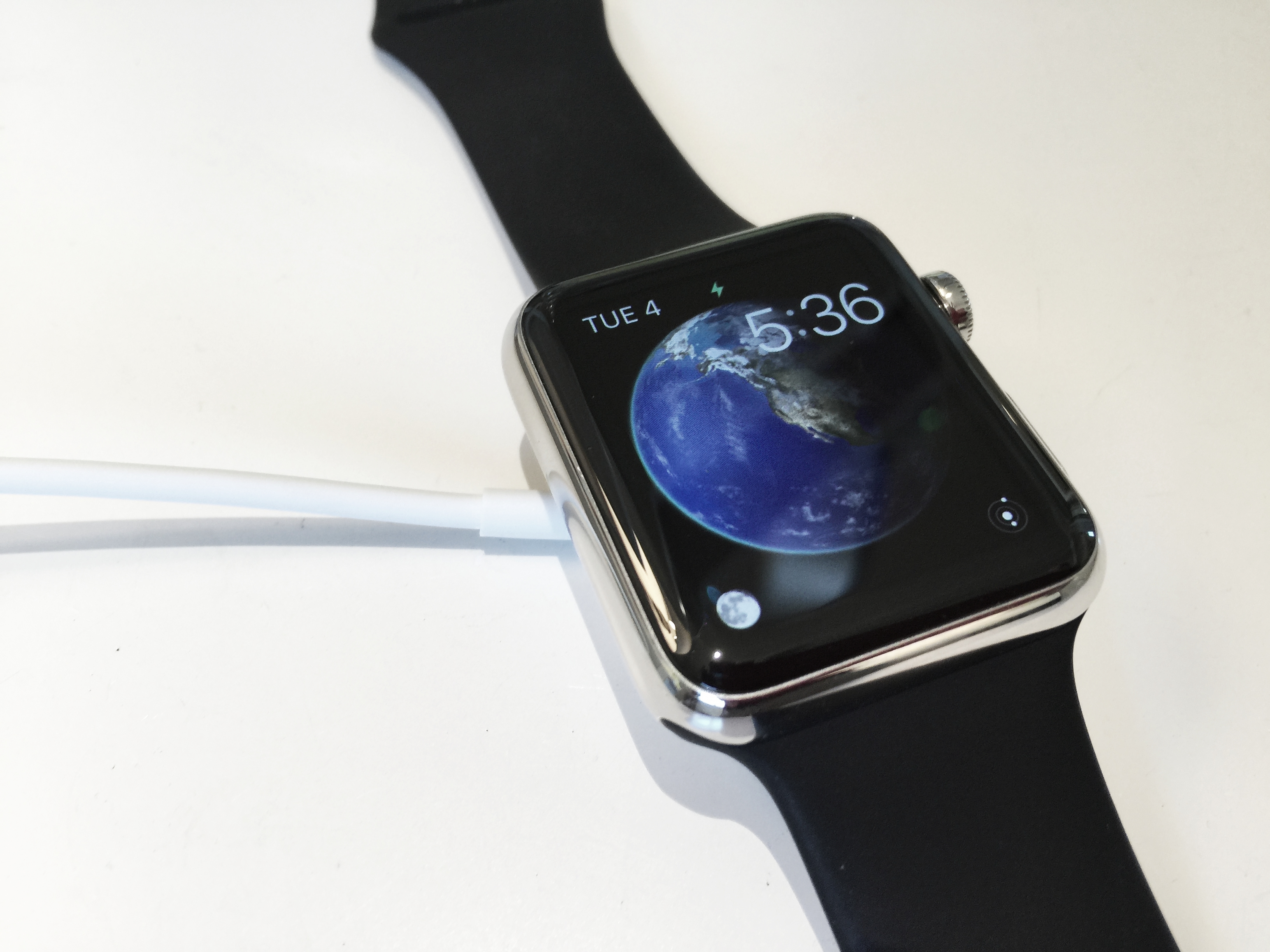
What I Don’t Like About Apple Watch

About two weeks ago, I shared how Apple Watch tickles my fancy. From likes, we go to dislikes, and keeping with the other I purposely limit the number to five. Quick recap: I bought the aluminum model on June 18, 2015 from the local Apple Store. Seven days later, I exchanged for the stainless steel variant. Except to charge or to shower, I’ve worn it constantly since.

Broadly, my feelings about the smartwatch are mixed. The delivered benefits are excellent, but they aren’t enough to justify the lofty price. If not for using MacBook Pro and iPhone 6 Plus this summer, Android Wear and iOS incompatibilities, or the promise of watchOS 2 coming early autumn, I would not have purchased the device. I’m not dissatisfied with Apple Watch, but want more from it. As I explained on July 18, the measure of success or failure isn’t sales but returns. I kept mine. How many early buyers didn’t? 

Read More

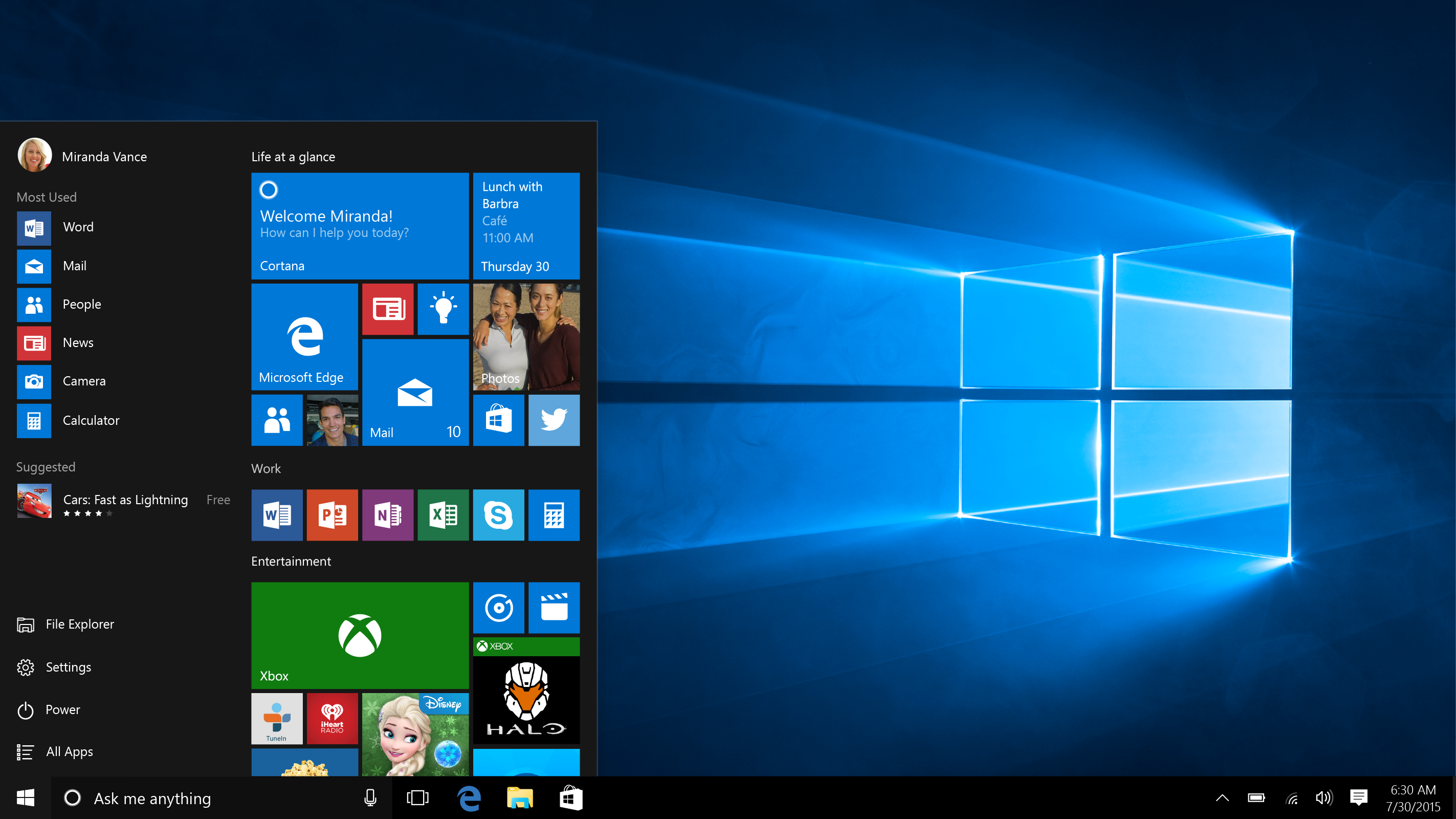
Shopping for a Windows 10 PC

My brother-in-law’s Dell laptop, so old it shipped with, and still had, 1GB RAM, died last week. He emailed asking my buying advice about a Windows 7 replacement. Reasoning: He would move up from XP. But his dad stepped in, offered to pay, and I, acting as agent (being the more knowledgable about computers), suggested $400 budget. By coincidence, shopping day coincided with Windows 10’s launch.

Timing couldn’t be better, with the rush of new 10s, discounts to clear out old inventory, and typical back-to-school season sales. I expected to grab good gear. Choosing for my brother-in-law is quite different than for myself. I prefer something smaller and lighter, with high-resolution screen. He wanted a larger screen (we agreed on 15.6 inches), full-size keyboard, DVD player, and WiFi. Meaning: Roomy and backward-compatible with what he has already. I confidently looked for something within budget. 

Read More

Build Your Own Camera Backpack

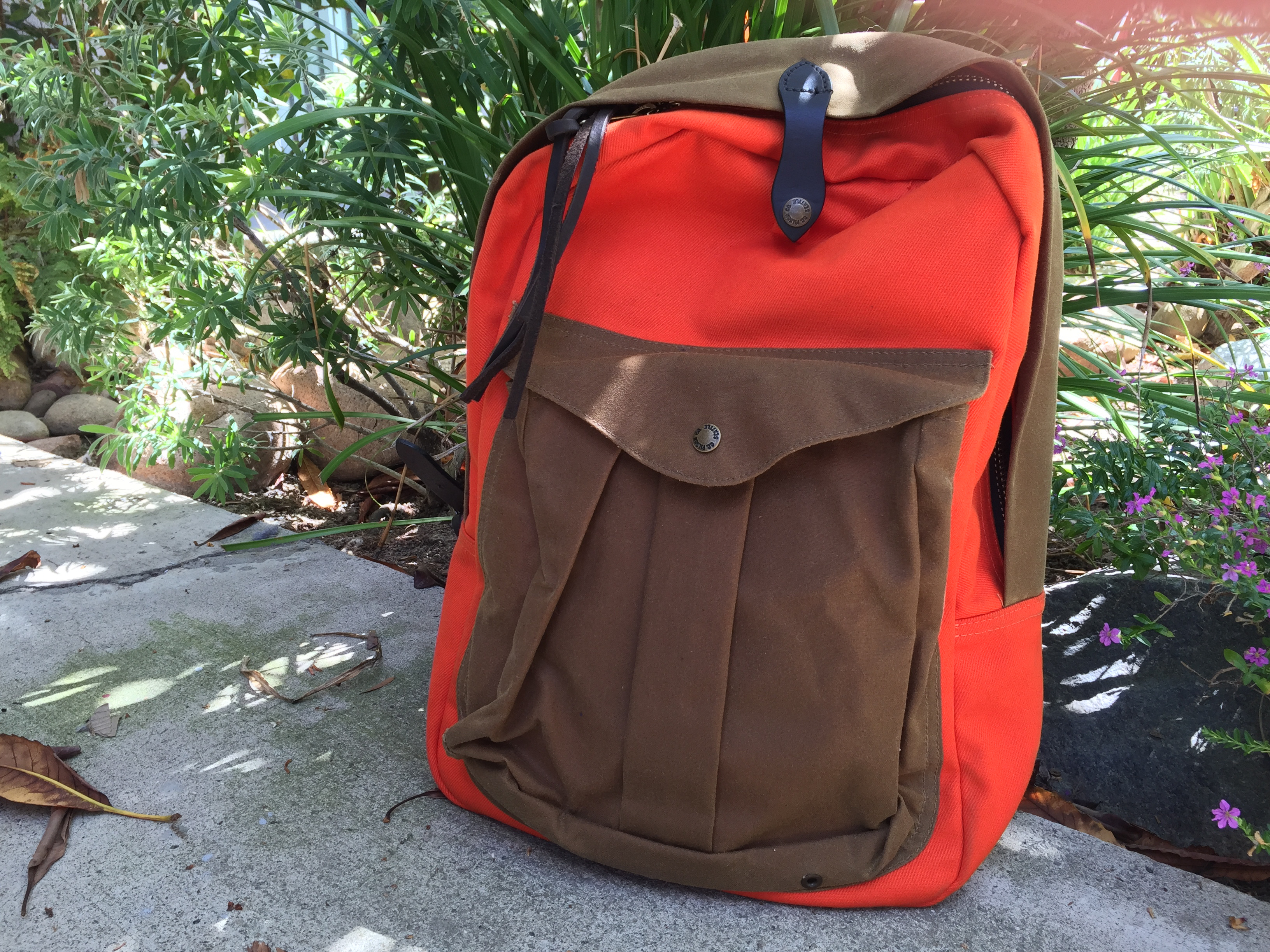
When I set out to buy a bag for my Fujifilm X-T1, four criteria topped the list: Smaller rather than bulky, shoulder straps, quality for price, and color (orange). No backpack made for carrying cameras qualified, after exhaustive search across the InterWebs. But one had my attention: Filson Rugged Twill Backpack, which coincidentally is on sale for about 37-percent off. The other two colors, neither of which appeals to me, are full price.

I chose instead the ONA Bolton Street Backpack, which as explained yesterday is too bulky for my bodily frame and digital lifestyle. Ahead of opportunity to reach that conclusion and reluctantly return the tote, I attempted to cancel the order before Amazon shipped it but failed. A year-old Gizmodo post by Nicholas Stango and the sudden Amazon availability of the Filson (for the sale price) and a Crumpler changed everything. 

Read More

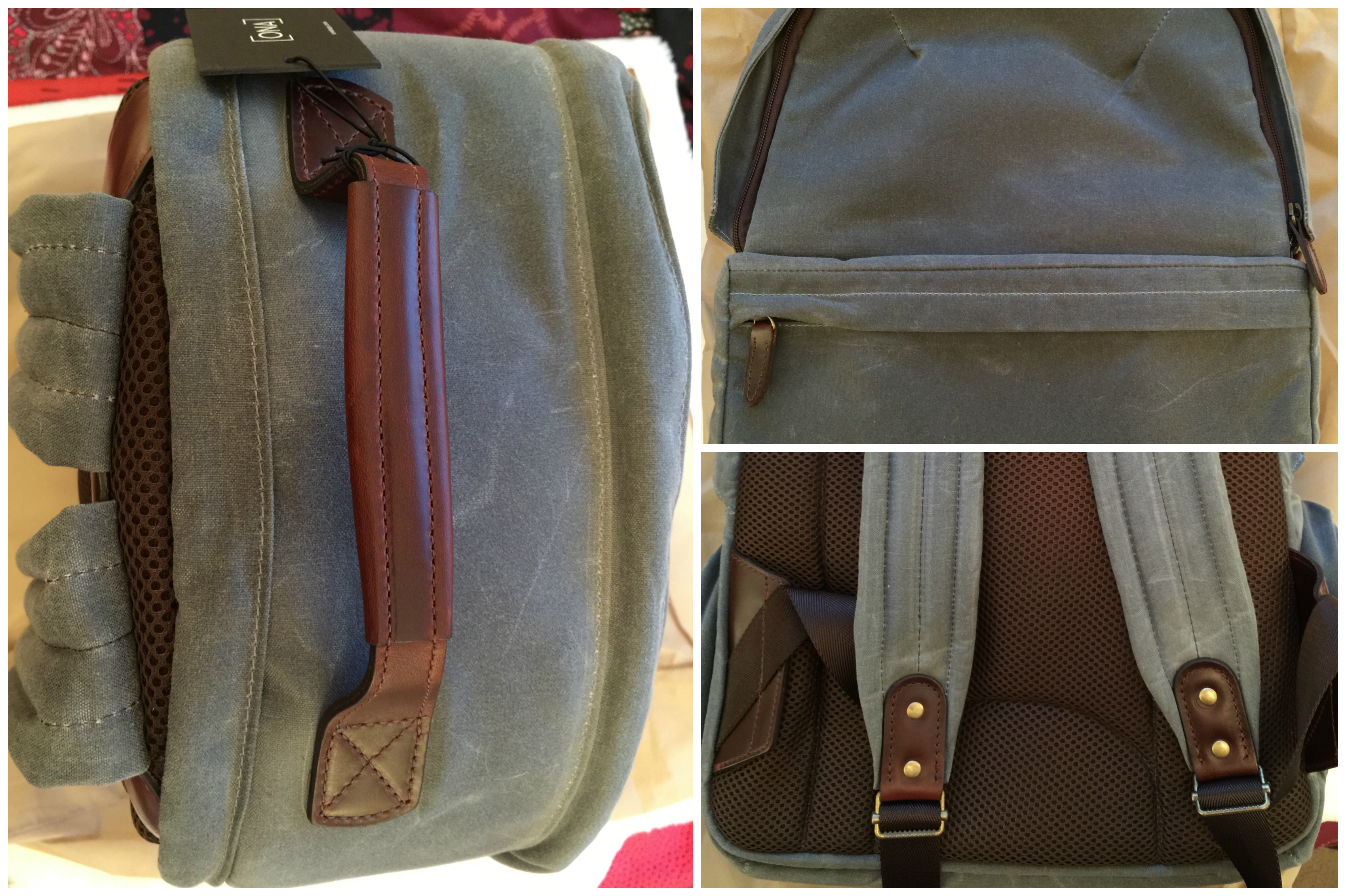
There’s Something You Should Know About the ONA Bolton Street Backpack

It’s beautiful but bigger than it looks. I ordered and returned the Bolton Street this week, fulfilled by Amazon from one of its retailer partners. Words cannot express how much I wanted to keep the backpack. The craftsmanship is fine art, attention to detail is finer still, and quality of materials is outstanding. But the thang doesn’t fit my digital lifestyle or my back. Depth is the problem.

My story starts on July 9, 2015, when I walked out of Best Buy with a ridiculously fantastic deal: Fujifilm X-T1 kit body and 18-55mm lens, discounted $250, bundled with the XF55-200mmF3.5-4.8 R LM OIS for another $100. The second lens alone retails for $699. My previous digicam, the Fuji X100T, is so compact that I didn’t use backpack or other carryall. But interchangeable lens camera changes everything, so I started looking for an appropriate backpack.