They say that a picture is worth a thousand words. Perhaps the same can be said of the right chart. The one below is so wordy I won’t have to write my usual 1,000-post. In reviewing the chart last night, I had one of those dreaded OMG moments.
They say that a picture is worth a thousand words. Perhaps the same can be said of the right chart. The one below is so wordy I won’t have to write my usual 1,000-post. In reviewing the chart last night, I had one of those dreaded OMG moments.

How good is Windows’ security? Costco either doesn’t think much of it or perhaps wants customers to think more about it. Yesterday, while shopping at my local Costco, I was surprised to see that security was the biggest software category stocked. I mean really big.
TechFlash’s Todd Bishop did some good sleuthing of regulatory filings and turned up a so-called Yahoo escape clause to the Microsoft search deal. Two, actually.
But while they might comfort Yahoo that there is a way out of the deal, I promise you there is none.
We have low share, by the way, in the investor audience. I can see the Apple logos versus the PC logos. So we have more work to do, more work to do. Our share is […]
[youtube http://www.youtube.com/watch?v=2MKz0gkcgAo] The last post is my interview with The Hillywood Show. Here is their video parody of “Twilight”. It’s funny and well-directed and edited. Sisters Hilly and Hannah are talented, indeed. I can’t […]
[youtube http://www.youtube.com/watch?v=0wl30rTR1nY] Among my 17 Comic-Con 2009 interviews: The Hillywood Show players, featuring sisters Hilly and Hannah. These girls are young, motivated and talented. The website is engaging, and they connect to all the […]
[youtube http://www.youtube.com/watch?v=7F7Lrvc5VT4] I posted my first video from Comic-Con 2009, with Tokidoki Creator Simone Legno. You don’t know what is Tokidoki? Check out Simone’s Website. Tokidoki means “sometimes” in Japanese. Simone is Italian. Could […]

I spent the last two days at Comic-Con 2009 here in San Diego. I sacrificed Day 1, and not happily, to cover Microsoft’s fiscal fourth-quarter and year-end earnings. Several big Microsoft stories broke on Friday, but I refused to give up another day at Comic-Con; it’s the 40th show. Comic-Con is fun and chaotic. More importantly, for a journalist, people are willing to talk—and why not? They’re playing a role and ready to perform.
Well, it’s official: with Walter Cronkite gone, Jon Stewart is America’s “most trusted newscaster.” At least that’s the result of this TIME poll that pits him against the anchors of the nightly news shows for CBS, […]
[youtube http://www.youtube.com/watch?v=LMpwJn_4NtE]
Damn, I must read Chris Anderson’s book Free: The Past and Future of a Radical Price. Based on the WNYC video (below) and Q&A—”The Gift Economist”—in the July 19, 2009 the New York Times Magazine, I must disagree with Chris’ concept of free as applied to digital products. Free and the Internet go oddly together, and not necessarily well together.
Chris may be right, but for other reasons than he presents here. In the video above, Chris asserts that on the Internet “free really can be free.” Nobody has to pay. He presents his view, which does allow for combo free and paid models, by way of marketing and economic history and theory.
One of things you rarely hear spoken about in internet business is traffic. I don’t mean traffic numbers—those are everywhere. I mean traffic itself. What it is, what it means, what constitutes value, etc. You don’t see blog posts talking about how page views can be (and very much are) gamed to create the appearance of more page views. Or, that one million uniques means little if the length of time visitors are on the site (aka, session time) is less than one minute without their returning back to visit. That’s like a million people driving by McDonald’s but never actually going into the restaurant. I won’t even get started on flawed analytics services. Unfortunately, the market as a whole hasn’t evolved to where it’s begun to notice things like this. Blogs and media still cite flawed analytics sources in articles, and few ever reference important stats like session times and repeat visitors. That says a lot about the place the market is in.
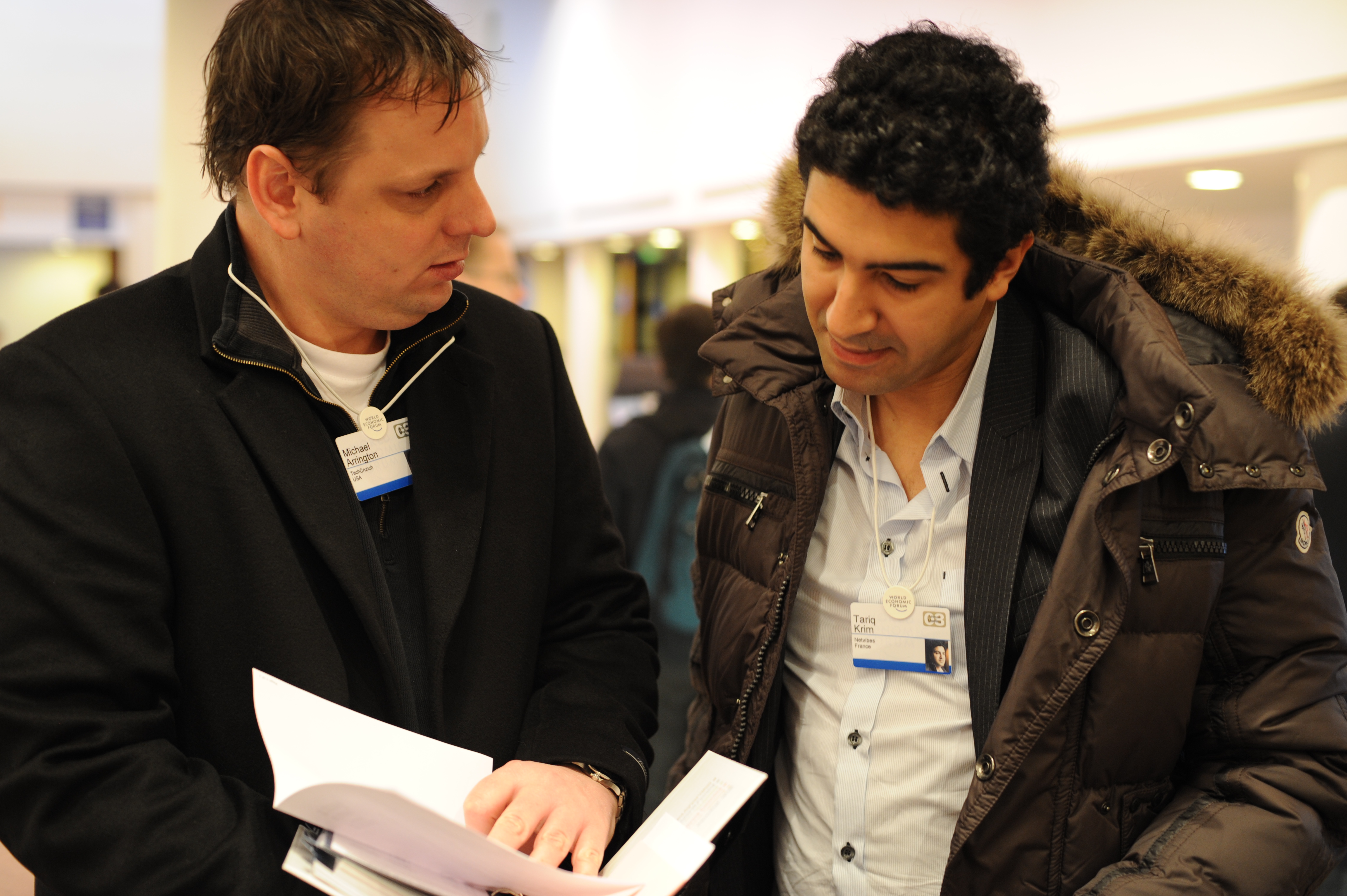
On July 17, I posted, “The Michael Arrington Matter,” where I came down hard on the TechCrunch cofounder for publishing stolen, internal Twitter documents. I wouldn’t have done it.
But in fairness, TechCrunch is successful—and for a reason. TechCrunch publishes lots of original content, as much in the comments as the stories. Readers participate in the process.