Link love: What’s in a ‘scoop’? The White House has a strategy for that. In August I looked at how differently the Nixon and Obama White Houses dispatch leaks. Washington Post does better, in a […]
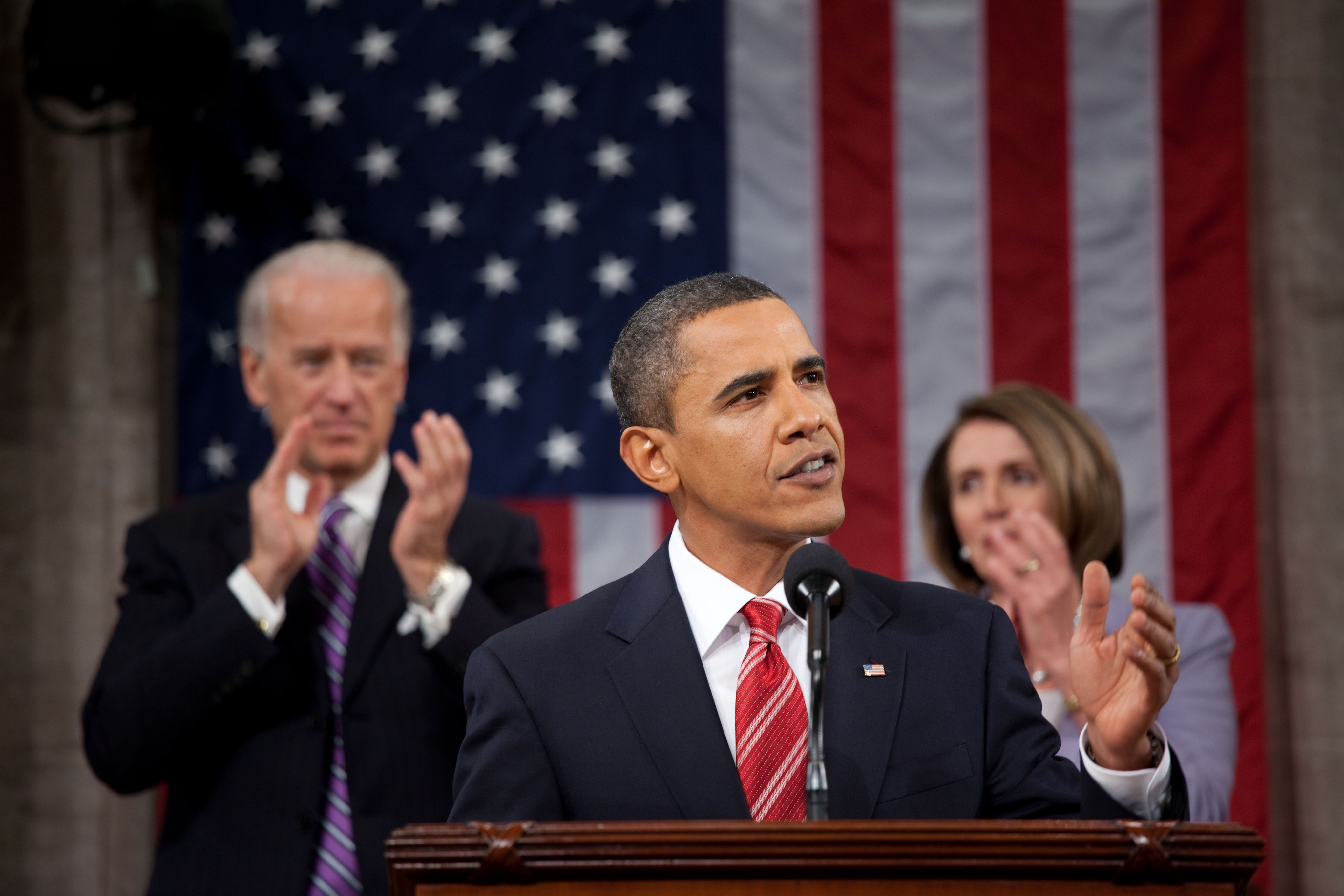
Link love: What’s in a ‘scoop’? The White House has a strategy for that. In August I looked at how differently the Nixon and Obama White Houses dispatch leaks. Washington Post does better, in a […]

The world is at war. Ebola is the enemy. Not Islamic State. Not Russia, Israel, Palestine, the United States, or any other nation or peoples you would like to insert here. No country—pardon the word choice—is immune to Ebola. The disease doesn’t care about cultural, political, racial, or religious differences that divide people. The disease indiscriminately attacks everyone.
Ebola should unite us—a global community rallying against a common enemy. But the disease can, already does, divide us. Fear, not infection, is Ebola’s great weapon of mass destruction. In parts of West Africa, farmers abandon crops for fear of infection; yesterday, I heard a BBC radio report claiming as many as 40 percent of farms in some countries. Fear. Fear of infection will divide us unless we unite first.

The Atlantic offers an astute assessment of Richard Nixon’s media machine and how other presidents adopted or adapted the playbook. The story, one of many during the 40th anniversary year of resignation, is a must-read for journalists, particularly those covering politics.
I am a long-standing critic of the current administration’s aggressive, anti-media tactics. The Nixon and Obama White Houses share in common a general disregard for the Fourth Estate. Interference in the newsgathering process is commonplace and extends beyond the White House.
Constitutionally, the American people have few options to immediately penalize their representatives in Congress who forced Federal shutdown and threaten the debt ceiling. Someone would want to. According to Gallup, Congress’ disapproval rating is 85 percent. An AP-GfK poll shows even greater dissatisfaction.
Public Policy Polling says that “Hemorrhoids, toenail fungus, dog poop, and cockroaches all might be a little bit gross, but they’re all more popular than Congress”. Sadly, however, Brett Logiurato, writing for Business Insider, is right. The low approval rating doesn’t matter. States elect individuals, whose ratings often are much higher, not the body electorate.
We’re doing the worst thing people can do: lying to our young. Nobody, not even this president, who was swept to victory in large part by the raw enthusiasm of college kids, has the stones to tell the truth: that a lot of them will end up being pawns in a predatory con game designed to extract the equivalent of home-mortgage commitment from 17-year-olds dreaming of impossible careers as nautical archaeologists or orchestra conductors.
One former law student I contacted for this story had a nervous breakdown while struggling to pay off six-figure debt. It wasn’t until he tapped into one of the few growth industries open to young Americans that his outlook brightened. ‘I got my life back on track by working for a marijuana delivery service in Manhattan’, he says.
Matt Taibbi
Today, in the Guardian, former CIA analyst John Kiriakou accuses the Obama Administration of abusing the 1917 Espionage Act, claiming that “only 10 people in American history have been charged with espionage for leaking classified information, seven of them under Barack Obama”.
From Day One, the Obama Administration sought to plug any leaks. What’s said in the Oval Office stays in the Oval Office. That’s context for understanding the aggressive approach to whistleblowers. It’s philosophical. The current White House sees leaks as betrayals, so why not view whistleblowing as treason?

Punk rock roared across the globe as I started college in the late 1970s. Punkers protested their disco-loving, Baby Boomer siblings as much as “The Man”. UK punkers tapped into deep frustration among a younger population struggling for identity and future in face of global economic uncertainty.
Punk music then is much different than now. Then it was a lifestyle choice rooted in rebellion. Today, for bands like Green Day, punk, and all its garnishments, is fashionable. Mascara, colored hair, and tattoos are about fitting in to a larger, accepted social group. The real energy behind bands like the Sex Pistols is gone.
The Wall Street Journal‘s number of the week is startling. “107: How many months it would take to sell banks’ current and shadow inventory of foreclosed homes.” If Journal reporter Mark Whitehouse is right, banks will need 9 years to clear their foreclosure inventory. But I wonder. Could it be longer?
My answer is yes. Artificially created debt is cholesterol clogging the arteries of consumer spending. The economy that created the debt is gone. Only by surgically removing debt can Americans freely spend, thus pumping fresh blood to the heart of the U.S. economy. But, hey, I’m no economist, although in 2005 I rightly predicted the housing bubble’s collapse and much of the aftermath. Surely such insight is worth something.

As a science geek, college biology major (decades ago) and pragmatist, I am appalled that any person or company is granted patents over genes. It’s simply unconscionable to grant ownership over laws of nature, which allowance defies centuries of sound legal prudence. If the Obama Administration and 111th Congress want to do some more meaningful health-care reform, abolishing gene patents would be the right place to start.
There is something so oddly together about where genes started and where they are today. In February 1953, Francis Crick and James Watson uncovered “the secret of life” when identifying the structure of deoxyribonucleic acid, more widely known as DNA. Their pioneering work later led to the Human Genome Project, which when completed in 2003 identified “the approximately 20,000-25,000 genes in human DNA,” according to official information.
World leaders arriving in Washington for President Obama’s Nuclear Security Summit must have felt for a moment that they had instead been transported to Soviet-era Moscow…Reporters for foreign outlets, admitted for the first time to the White House press pool, got the impression that the vaunted American freedoms are not all they’re cracked up to be…even the Chinese president, Hu Jintao, was more talkative with the press than Obama…The restrictions have become a common practice for the Obama White House.
Dan Milbank
I voted for Barack Obama and still have much hope for his presidency. But from my humble perspective, his priorities were out of order coming into office. Healthcare should have been second to financial reform. The Financial Crisis Inquiry Commission hearings now underway started more than a year too late.