My ebook Comic-Con Heroes: The Fans Who Make the Greatest Show on Earth is finally up on Google Play, after long delay (in part because of Kindle Store’s exclusive). Google Play cut the price to […]
My ebook Comic-Con Heroes: The Fans Who Make the Greatest Show on Earth is finally up on Google Play, after long delay (in part because of Kindle Store’s exclusive). Google Play cut the price to […]
My fourth ebook, Chromebook Matters, published over the holiday, and this one is available from Kindle Store, Google Play, and Smashwords. I’m done with Amazon exclusives.
Chromebook Matters is not a how-to book. It’s all “why” and “what”—why Chromebook matters and what it can do for you. I write an introduction for anyone—businesses, consumers, government agencies, or schools—considering buying Chromebook. I also address anti-Chromebook propaganda. Some claims are valid. Most are not.
One of my pet themes is what I call “David Thinking“, and until today I worked on an ebook espousing the concept as a lifestyle philosophy. Now that’s on hold, and it’s not a choice easily made.
I first wrote about David Thinking here in May 2009 post “Why Apple Succeeds and Always Will“. Writer Malcolm Gladwell’s New Yorker article “How David Beats Goliath: When underdogs break the rules” inspired the concept. He used Ivan Arreguín-Toft‘s research about so-called Davids beating Goliaths as basis for the story. I took the political scientist’s concepts someplace Gladwell didn’t, applying them as a way of thinking differently. I have written about David Thinking often, in posts here and elsewhere.
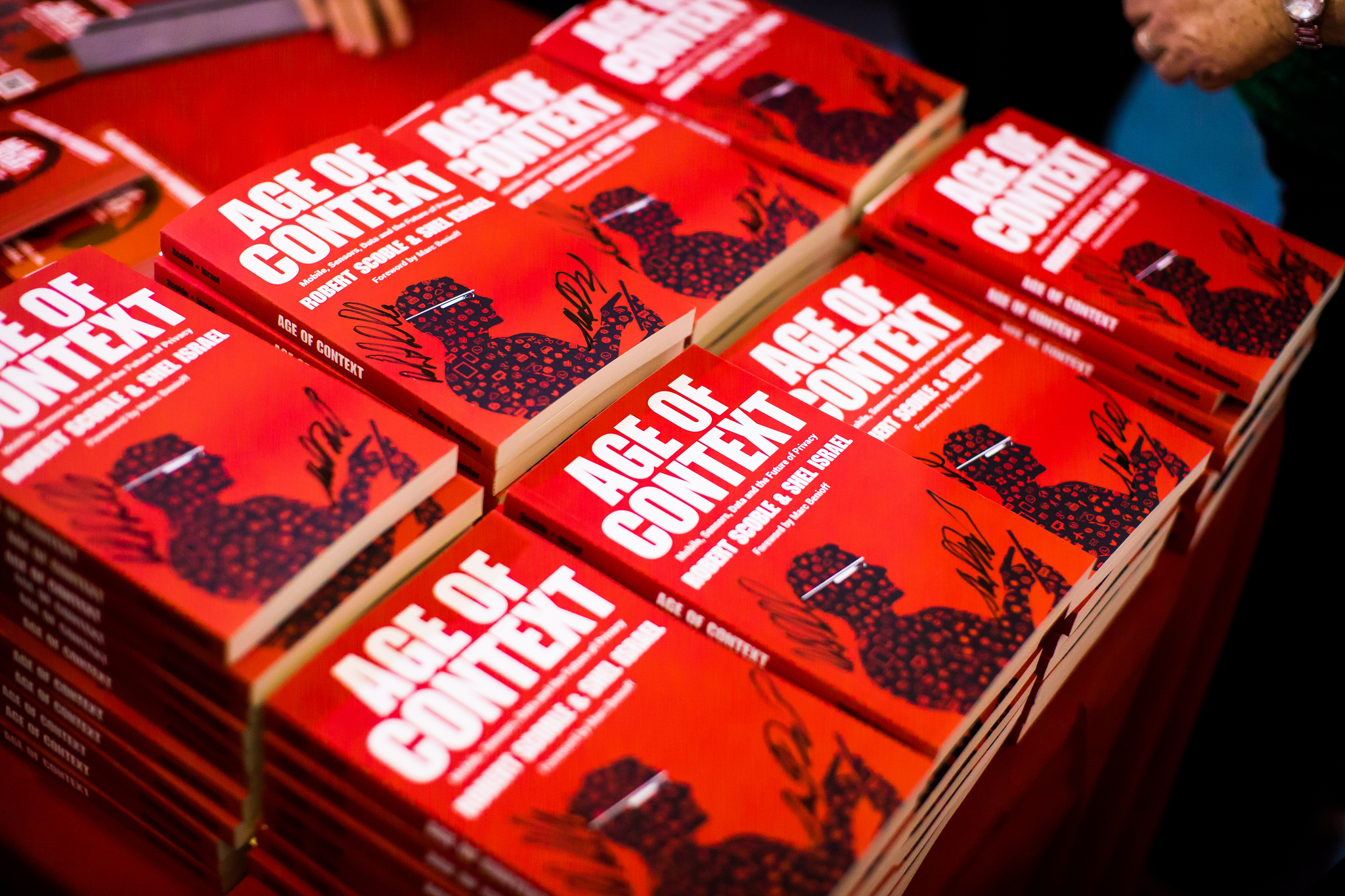
Robert Scoble and Shel Israel are this week’s tech media darlings, with release of their book Age of Context. Robert sent me an advanced PDF copy, which obliged an Amazon review (gladly given).
I reserve the punchier comments for here, if you want to skip past the block quote.
Last night I republished This Book is not a Kindle Single [The Rejected Essay] with the originally-intended title (The Principles of Disruptive Design) and major content updates. The preface and afterword are gone (as they pertained to the gimmick title) and there are updates throughout, the most considerable to the first section.
The updates deal directly with Apple iPhone 5s and 5c nd questions about Apple innovations, or lack of them.

My cat wants to know: Why haven’t you grabbed a free copy of my new ebook Comic-Con Heroes: The Fans Who Make the Greatest Show on Earth, before the promotion ends at 11:59 p.m. PDT? […]
Yesterday, I finally published Comic-Con Heroes: The Fans Who Make the Greatest Show on Earth to the Kindle Store. For San Diego Comic-Con 2013, I interviewed attendees and chose a dozen to profile. Their stories say much about the roles we play and who are the Con’s real superheroes.
I wrote the full-text using Google Docs on Chromebook Pixel, which combined is the best writing platform I have ever used.
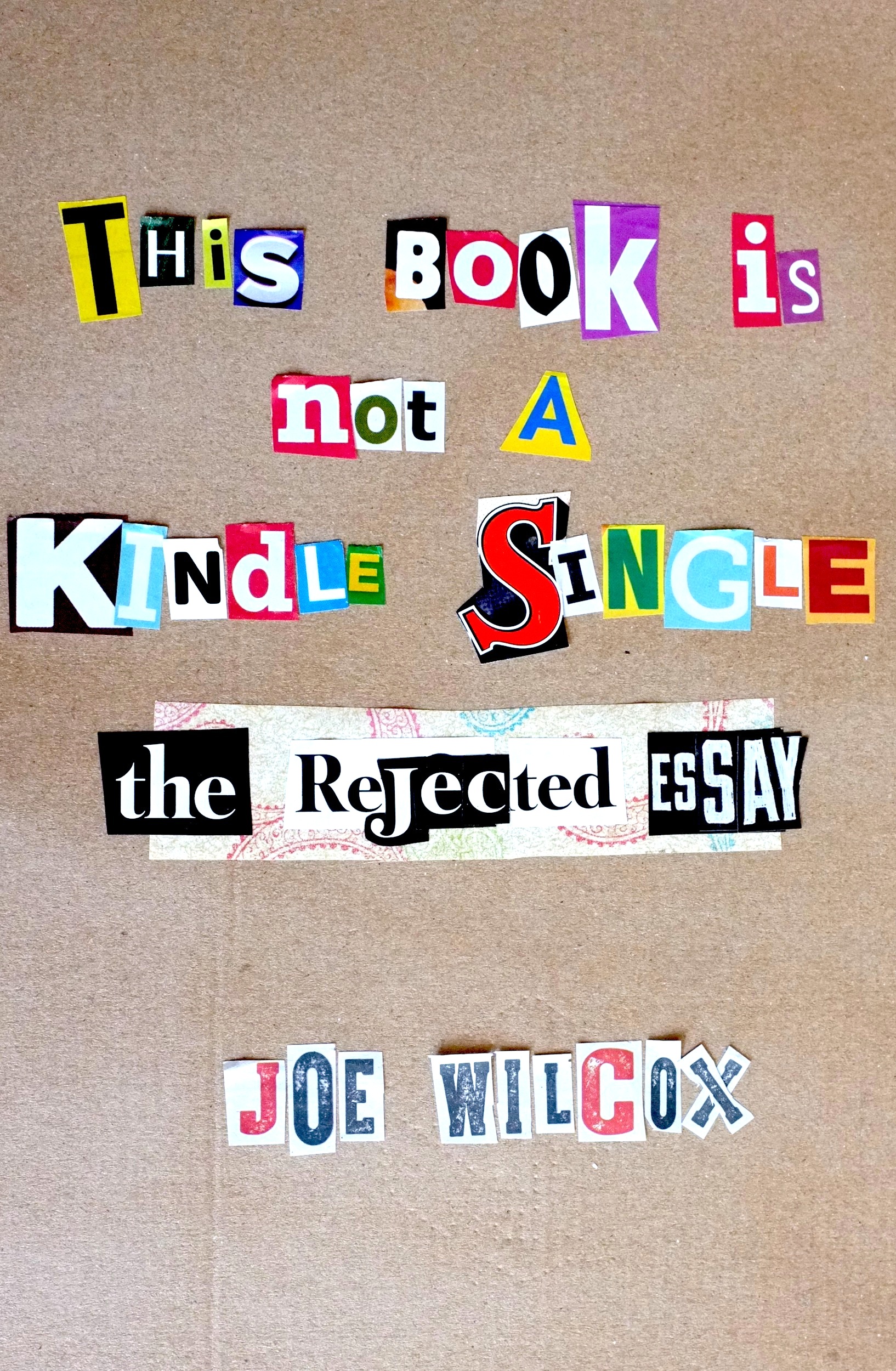
Yesterday, my first ebook published to Amazon, with the strangest of titles, having nearly nothing to do with the contents. In May, I submitted “The Principles of Design” to the bookseller for consideration as a Kindle Single. Singles are curated, short-form works, between 5,000 and 30,000 words. Amazon acts as editor and publisher. Four weeks later to the day, I received a rejection letter, without any explanation.
That put me squarely down the self-publishing path, which is exactly where I didn’t want to be for this first work. Books are a strange frontier to me, a vaguely familiar landscape but alien—like Mars is to Earth. I wanted Amazon to walk me across this domain. Besides, to start, I plan to write mostly shorter non-fiction essays, which look to be perfectly-suited for Kindle Singles. But the rejection email, and realization that editorial approval takes up to a month, changed plans.
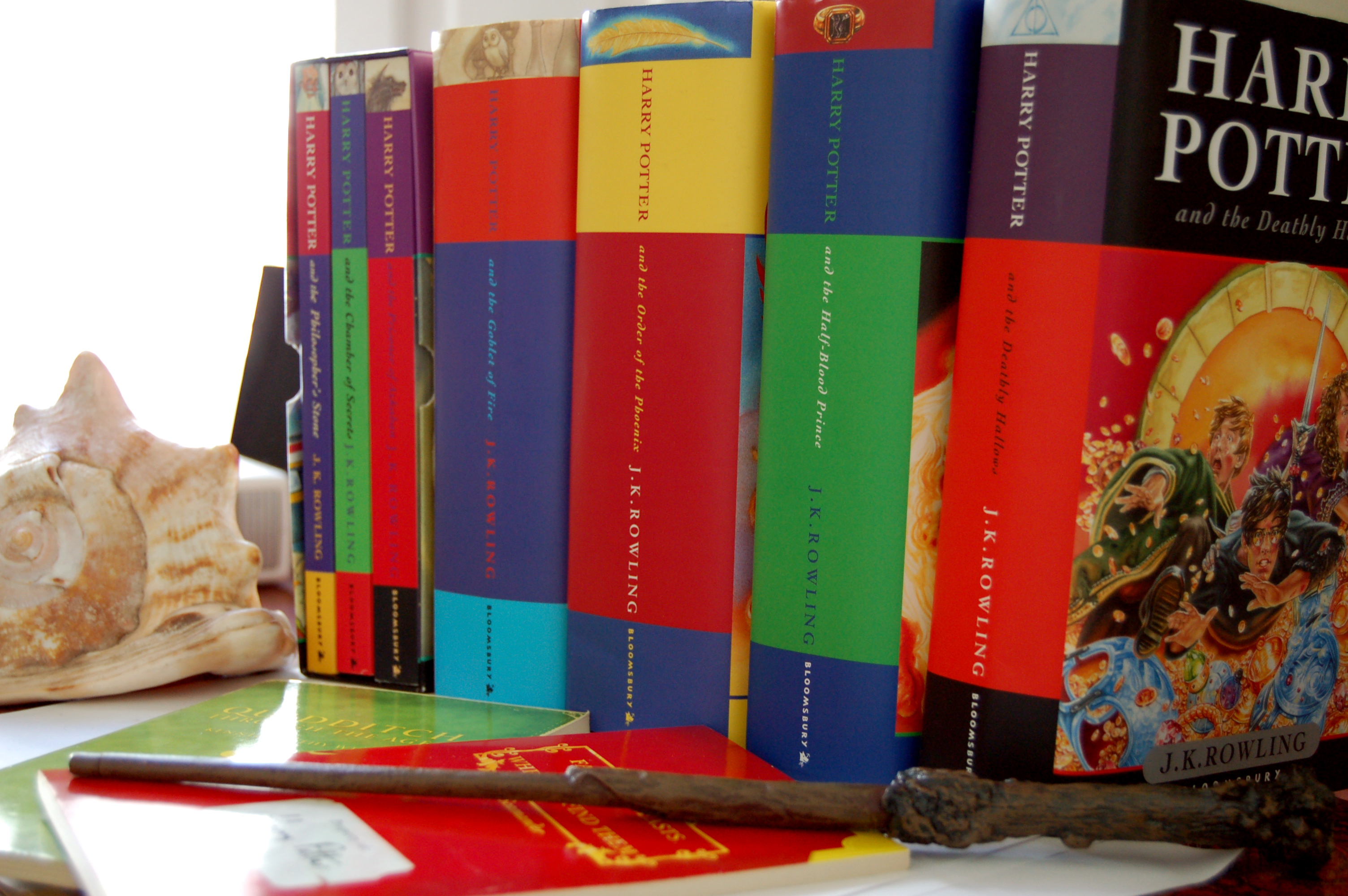
While traveling this month, I started reading J.K. Rowlings’ Harry Potter and the Sorcerer’s Stone, with the shameful, Americanized title. The book is properly known in the UK as Harry Potter and the Philosopher’s Stone. Given the Potter series’ popularity (six books and four movies), I had high expectations of the bestseller, but lowered them upon reading.
Coming from Northern Maine, where remain cultural ties to Canada and Britain, I quickly picked up on the mishmash of very British references. I’d say that Rowlings includes just about every magical or ghoulish creature known on the British Isles. The book borrows heavily from literary consciousness. The lacking originality, of plopping together concepts and creatures familiar to many generations of Britons, is astounding—unless her originality is humor. I take the book to be farcical, humorous in its plopping together so many creatures steeped in British cultural heritage.

In today’s New York Times, author Naomi Wolf looks at “cute” books for teenage girls that are anything but sweet.
Teenage girl series, such as “Clique” or “Gossip Girls”, are fitting to the adage, “You can’t judge a book from the cover”. Beneath the banal paperback covers are pages rife with status, shopping, and sex. Excerpted from one of the “A-List” series novels, one teen describes sex with her boyfriend: “We used to jump each other, like, three times a night. When we went out to the movies, we’d sit by a wall and do it during the boring parts”.
I just finished reading book iCon Steve Jobs: The Greatest Second Act in the History of Business, which I bought at my local Borders Book store. I just about never buy hardcover books, but this one piqued my interest. After all, Steve Jobs banned all the publisher’s books from Apple retail stores.
I understand why the strong reaction from Apple’s founder. One undercurrent focuses on Steve Jobs’ charisma and claims of his taking claim for others’ work. The theme adds second meaning to the title, as in “I con”.