Category: Education

Read More

Parlez-vous Français?

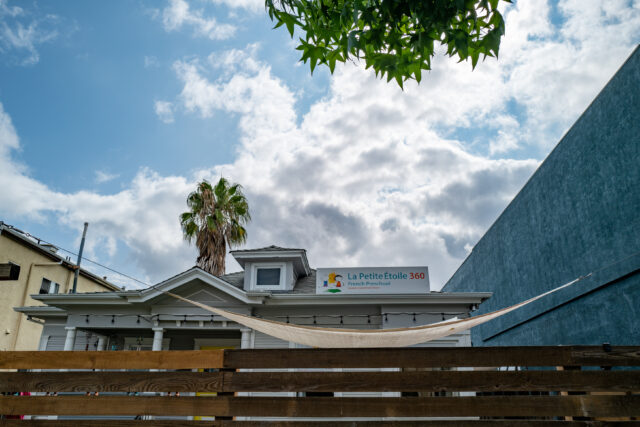
I shot the Featured Image for two reasons: Surprise to find a French preschool on Park Blvd in downtown University Heights; reminiscence—our daughter nearly attended a public French immersion school when we lived in Maryland. I have often wondered why she failed to make the cut. Could it be that she would enter as a first-grader instead of a kindergartener? Because: She was first on the waiting list, and the administration told us that admission was almost a certainty—some student(s) either dropping out or not showing up were frequent occurrences.

The kids learned English and French side-by-side in a program that lasted through eighth grade. Had Molly been accepted, and had she stayed, our family’s destiny would have changed. We would have unlikely left the Washington, D.C. area and moved across country to San Diego.

Read More

California Reopens

But explain to school kids what’s different, because they have to wonder. While establishments of all types are open at full capacity, the classroom routine is little changed: Students must continue to wear masks—a requirement that baffles the frak out of me. Is it possible reason that most of them have not been vaccinated against SARS-CoV-2 (severe acute respiratory syndrome Coronavirus 2)/COVID-19? For adults, the mask-mandate is only lifted for those people who have had the shot(s). Children are extremely unlikely to be infected, manifest the disease, become seriously sick, or die. So why muzzle them?

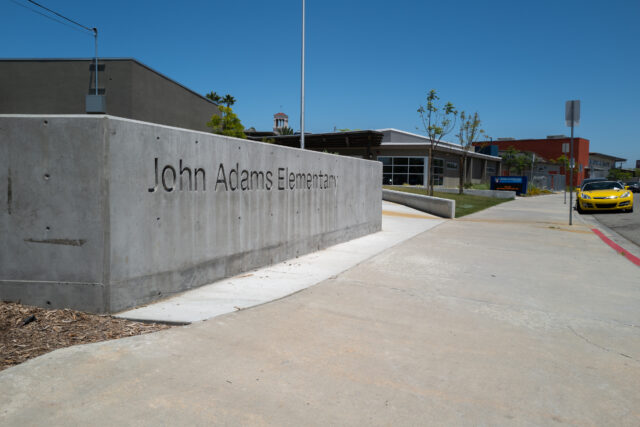
According to the Centers for Disease Control and Prevention, children ages 0-4 account for 2.1 percent of U.S. COVID cases; 10.4 percent for 5-17 year-olds. Deaths: Zero percent and 0.1 percent, respectively. Citizens ages 18-49 account for 4.7 percent of total deaths, so teachers are probably pretty safe—especially if vaccinated. So, again, I ask: Why muzzle the kids? This morning, my wife and I passed by Birney Elementary as students arrived; they all wore masks, and parents, too!

Read More

COVID California: No School or Anything Else for You

Yesterday, which was when I captured the Featured Image, Los Angeles and San Diego school districts announced that students would not return to classrooms next month as previously planned. Kids will study online instead, as they had been since late March when Governor Gavin Newsom essentially closed California in response to the so-called pandemic. Also yesterday, he issued new orders that start a second statewide shutdown. Most indoor activities are prohibited; no more church services, shopping mall extravaganzas, zoo visits, gym exercising, barber haircutting, restaurant eating, or bar hoping—among many other activities and the business operations providing them.

There is nothing like the art of understatement. From the LA-SD joint statement: “This announcement represents a significant disappointment for the many thousands of teachers, administrators, and support staff, who were looking forward to welcoming students back in August. It is obviously an even greater disappointment to the many parents who are anxious for their students to resume their education. Most of all, this decision will impact our students in ways that researchers will take years to understand”.

Read More

Too Much for Some, Not Enough for Others

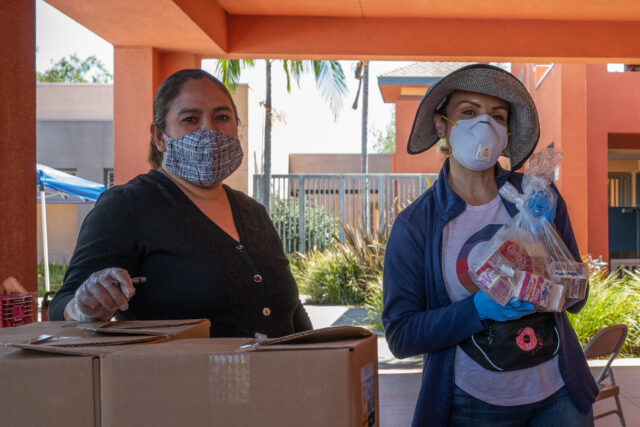
Today, while walking with my wife along Meade Avenue in San Diego’s North Park neighborhood, I was reminded about the food giveaway still going on at Garfield Elementary. Four full cartoons of skim milk littered the sidewalk and, later, a twist-tied bag containing unopened cereal and other sugary breakfast eats that would appeal to children.

In mid-March, California Governor Gavin Newsom ordered the closure of most businesses and all schools. While the state is now reopening and adults return to work, kids remain home—many with parents who are still furloughed or fired. San Diego County’s unemployment rate is a staggering 15 percent, up from about 3.5 percent before the lockdown precipitated by the SARS-CoV-2 (severe acute respiratory syndrome Coronavirus 2)—also known as COVID-19pandemic. Select schools offer free food to needy families, and they are many.

Read More

No Pass, No Comic-Con for Me

San Diego Comic-Con commences in two evenings. Unless something dramatically unexpected happens, I will not attend any part of the event—only miss since my first go-there in 2009. I managed only one day last year after being there for every other Con. Looks like 2018 will be even less.

I have resigned myself to circumstance, following failed Returning and Open registration attempts to purchase passes. I may go to Gaslamp, like last year, to shoot street photos with the Leica M10. Or maybe not. 

Read More

Lemonade Stand

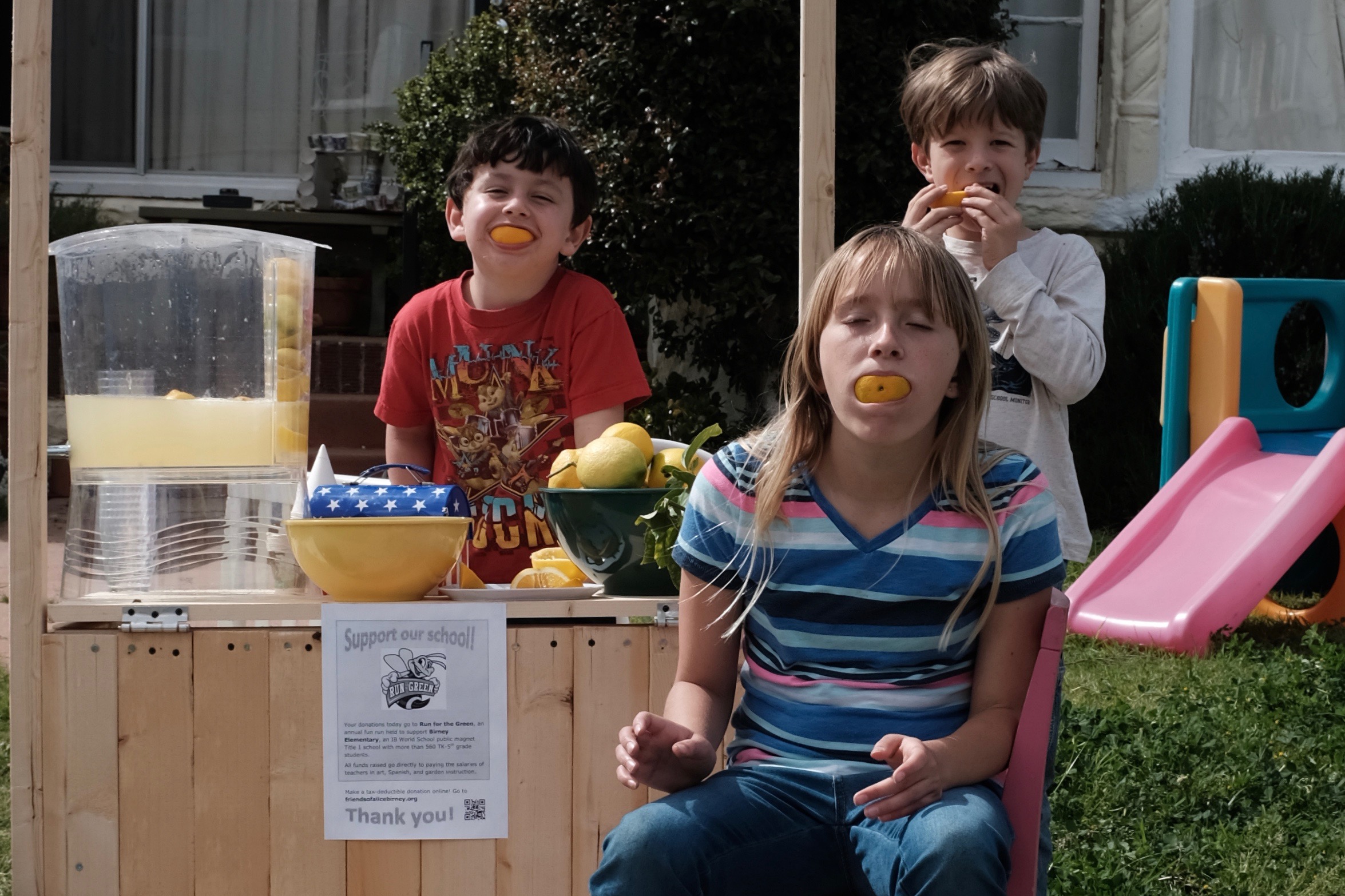
The Fujifilm X100F is now my nearly-always outdoor companion—a role iPhone 7 Plus had filled. The camera is compact and light and comfortably slings over the shoulder attached to the ONA Lima strap. Earlier today, my wife and I walked down Maryland Ave. toward The Hub plaza in Hillcrest. Along the way, we passed a lemonade stand, with some kids fundraising for the local elementary school, Alice Birney. They had already raised $60 when I snapped the pic, at 1:15 p.m. PST. Somebody paid more than the requested 25 cents a cup. Hehe.

The Featured Image is a crop of the original, which is visible below the fold. Both versions are unaltered, except for horizontal cropping to the first and straightening of both. The visual cue is different in each, though. The first is aligned vertically with the lemonade stand and the original against the house in the background. 

Read More

iPhone for Education

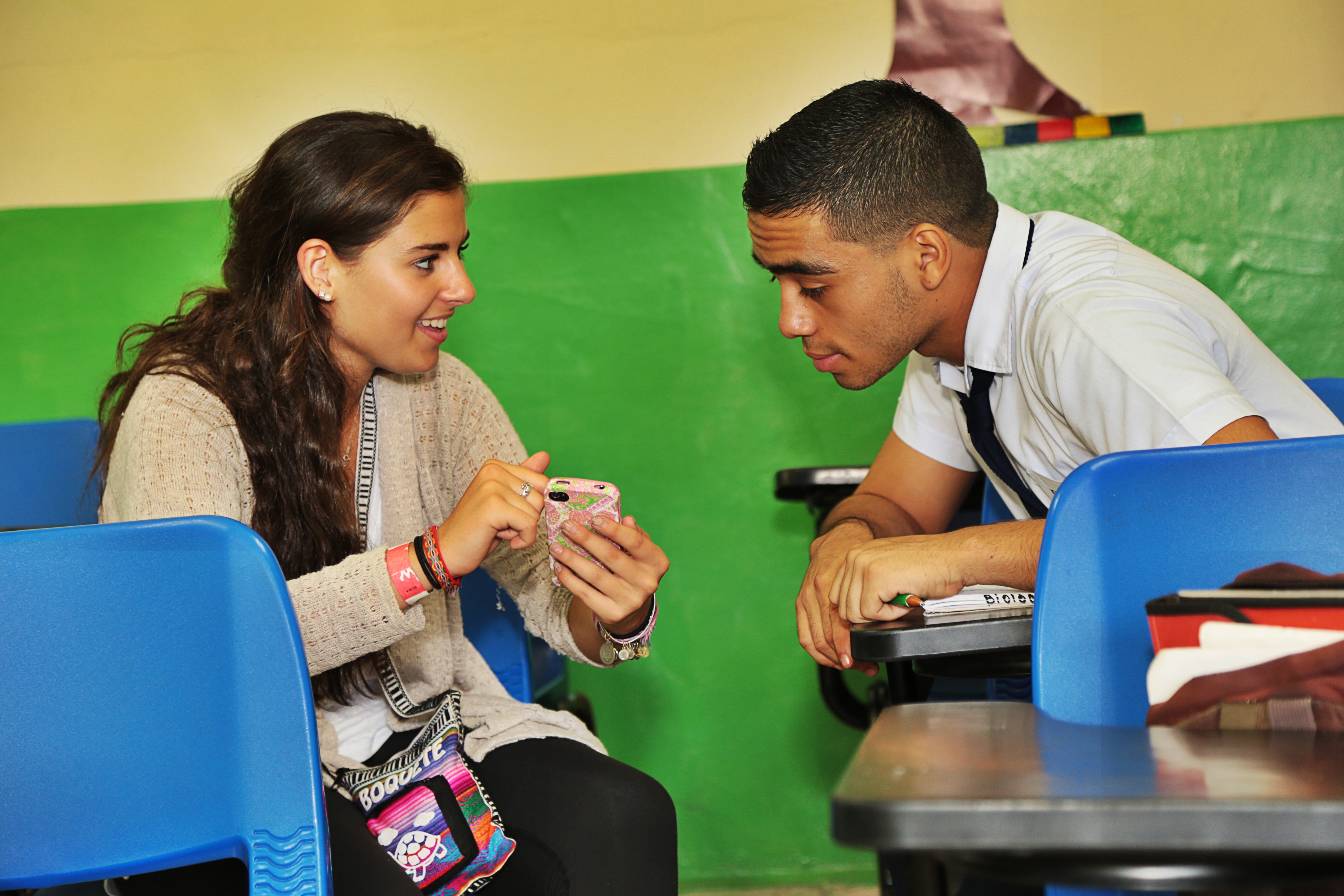
Many educators won’t agree, but perhaps students will: The PC, whether desktop or notebook, is obsolete in the classroom. This reality, if accepted for what it is, presents Apple opportunity to retake the K-12 market from Alphabet-subsidiary Google’s incursion and sudden success with Chromebook among U.S. schools. If the fruit-logo company doesn’t seize the moment, a competitor will—and almost certainly selling devices running Android.

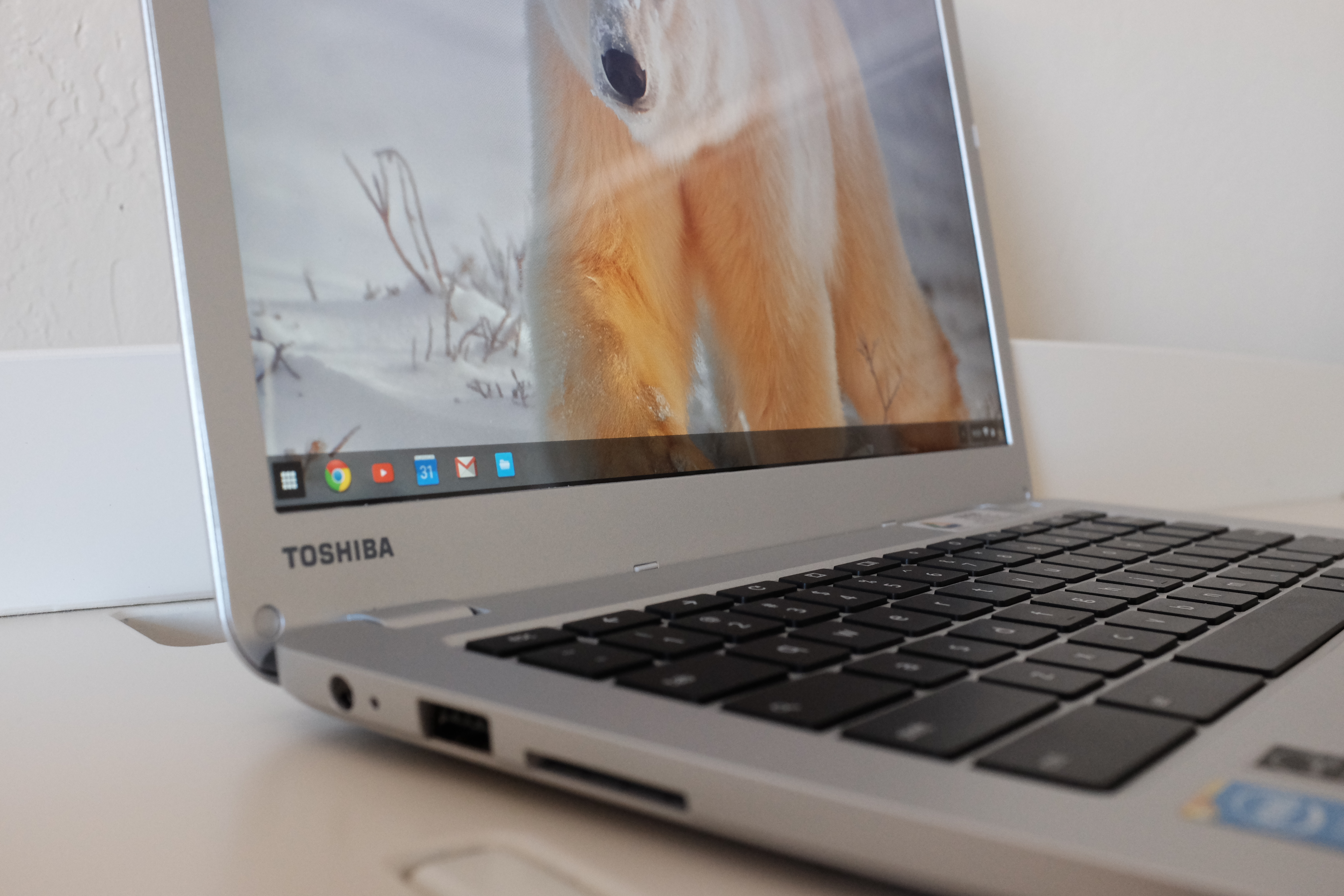
Chromebook’s educational appeal is three-fold: low cost, manageability, and easy access to Google informational services. For buy-in price, and TCO, no Apple laptop or tablet running macOS or iOS, respectively, can compete. Think differently! Providing students any kind of computer is shortsighted, by narrowly presuming that schools, or their parents, must buy something. I suggest, in this time of budgetary constraints, that educators instead use what the kids already possess (or want to) and what they use easily and quickly: The smartphone. 

Read More

Epitaph to Chromebook

A few days ago, one of my Google+ followers, Steve Kluver, commented on an August 2014 share: “I am shopping for some more Chromebooks this Holiday Season, and found this post via G+ hashtag #chromebook search. How current is your ebook now?” He refers to Chromebook Reviews, which is available from Amazon for sale or for free reading with Kindle Unlimited. I apologized that the tome, published more than two years ago, is “way out of date”. If I’m not going to revise, I really should remove the title.

I offered to give him buying advice, which got me to thinking about Chromebook as a concept and computing edifice. While a big fan, and owner of both generations of Google-made Chromebook Pixel, my primary laptop was a MacBook Pro for most of 2016. Measure of commitment: I bought the new 15.4-inch Touch Bar model just a few weeks ago. I’ve moved on, and got to thinking about why in crafting my response. 

Read More

Psst — Here’s What Google Wants from Android Apps on Chromebook

Your kids. Chromebook leads laptop and desktop sales through U.S. commercial channels to schools, according to NPD. Education is overwhelmingly the primary market for the computers. The institutions can’t buy enough of the thangs, for their utility and low-cost compared to notebooks running either OS X or Windows. That cost is as much about extended webapps and services from Google (or its developer partners), available for free or comparatively next-to-nothing, set against software for the other platforms.

Wrinkle in the Google firmament: iPhone and Chromebook are like water and dirt. The sediment settles unless shaken up. Sure youngsters can do all their Googly things—Docs, Gmail, Maps, Photos, YouTube, etc.—on iOS but the experience is smoother and more homogenous when mixed Android and Chrome OS. What the kiddies lack, and their educators, is a swath of useful apps like the Apple kids get.