It is our intellectual technologies that have the greatest and most lasting power over what and how we think. They are our most intimate tools, the ones we use for self-expression, for shaping personal and […]
Author: Joe Wilcox
Comments, No-Comments Debate gets Noisy
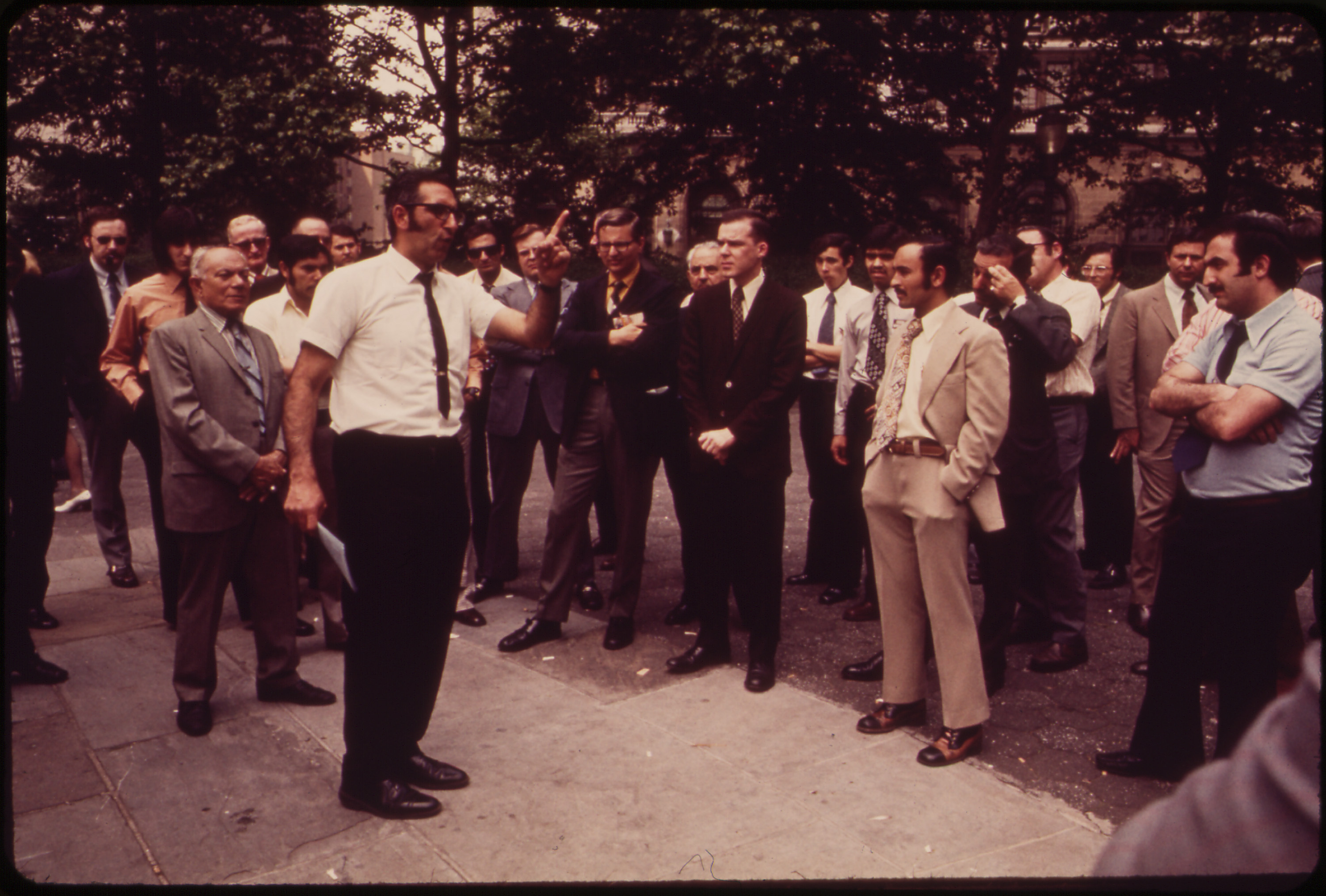
People love catfights, which perhaps explains some of the interest in the comments/no-comments debate between me and Mac blogger John Gruber. It’s a pseudo-debate, really, since the only engagement is blog posting. John and I haven’t directly communicated.
I started it all, by calling out John for not having comments on his blog. I told him to “Be a man,” which I actually meant with some backslapping good nature. But some people are morally offended. Stacia Van Doll reblogged the post as: “QUIT being a douchebag Joe Wilcox.”

Blogging: Is Curation or Comments Better?
John Gruber has responded to my Saturday post at length: “I’ll Tell You What’s Fair.” John’s response is thoughtful and responsible, so much so I’m trying things his way. I challenged him to turn on comments at Daring Fireball, which clearly won’t happen soon, if ever. I don’t agree with all his reasons but see how he applies a writer’s mind to blogging. His writing is an artform.
Of Course, Technology Changes You
Over the weekend, I unexpectedly read New York Times Op-Ed “Mind Over Mass Media,” by Harvard psychology professor Steven Pinker. Professor Pinker rallies for the status quo, argung that “new forms of media have always caused moral panics…but such panics often fail basic reality checks.” He talks of a panic, but I don’t see one. However, there is a new book generating some debate—Nicholas Carr’s The Shallows: What the Internet is Doing to Our Brains. The Op-Ed is rebuttal without reference.
Internet Attention Deficit Disorder
Nicholas Carr’s book, The Shallows: What the Internet is Doing to Our Brains, may be the defining manuscript of the World Wide Web era; so far. I haven’t read the book yet, but I have followed Nicholas’ writings leading up to The Shallows. I get his point, because I’ve experienced it. He merely wraps research around the experience. The point: Interaction with the Web changes how we think, in part by rewiring how we consume information. Attention spans are shorter and tasks like reading a long magazine article or book are harder.
In June 2008, I read a short post by Nicholas linking to his Atlantic story “Is Google Making Us Stupid?”

Be a Man, John Gruber
If John Gruber allowed comments on his blog, I wouldn’t need to write this post, and it has been long-time coming. I considered writing it every time I read something outrageous at Daring Fireball but couldn’t directly respond because John doesn’t allow comments. Finally, this morning, I had enough.

Tweet If You See a Tooting Llama
Mark Arm’s Tumblr post—photo of a Central Park animal—reminds me of a story. Summer 1980, I had just turned 21 and lived in a group house on New York’s Upper West Side. The Democratic National Convention convened at Madison Square Garden for about four days of mayhem.

WWDC 2010 Keynote: A Story in Tweets
The problem with Twitter, publishing is lost content. Tweets go into the massive Twittersphere never to have meaning again. It’s kind of like chatter; people talk and it’s gone (or so most of us hope). Well, hell, I can’t let all my tweets go to waste, particularly during Apple’s developer conference keynote when Twitter was my real-time publishing platform. So I’ve painstakingly cut and paste this morning’s Twitterfest during Apple CEO Steve Jobs’ keynote for posterity’s benefit. 🙂
Even Paper Is Better Than Windows Mobile
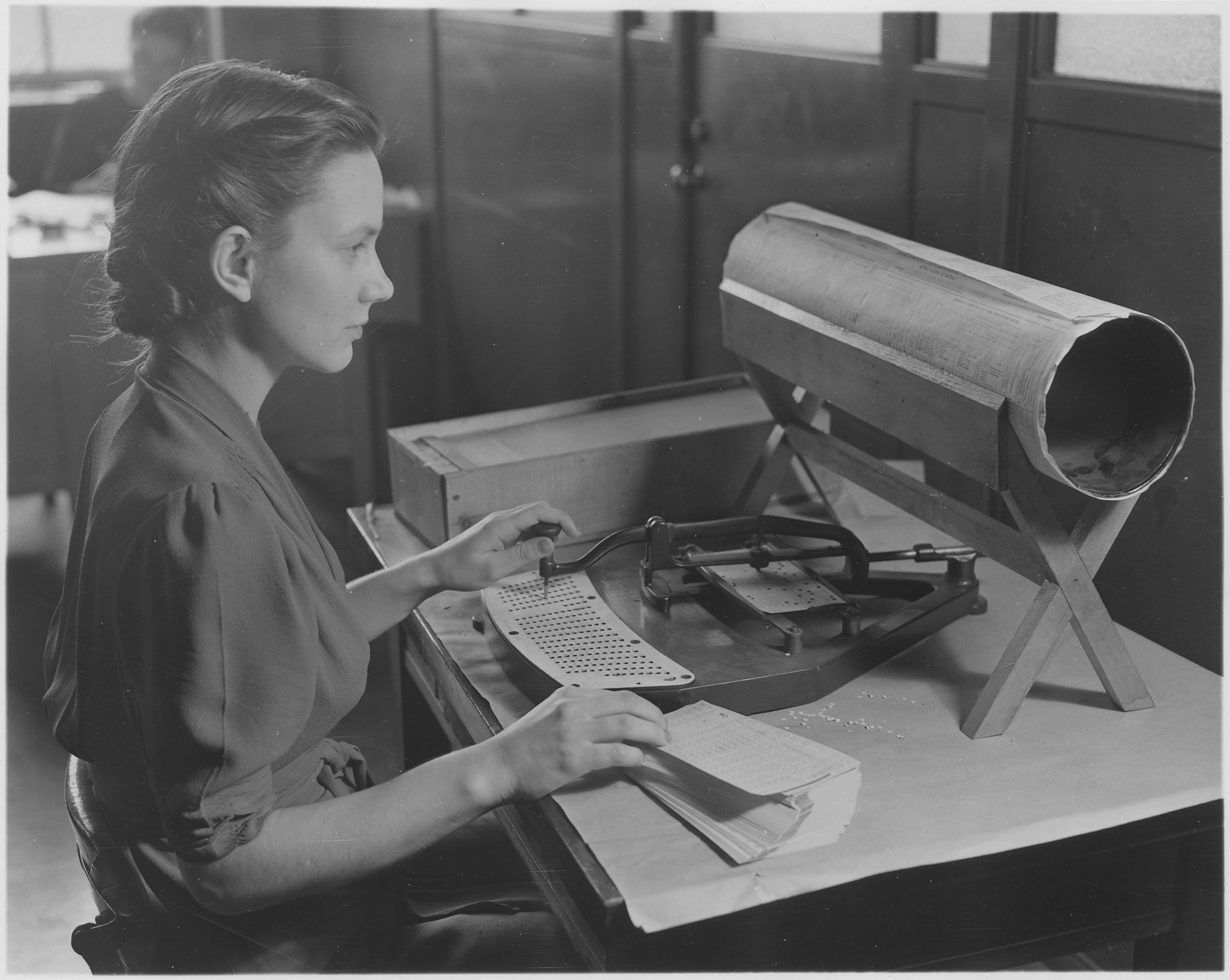
Say, does anyone remember that the Census Bureau was supposed to use HTC handsets running Windows Mobile 5 this year? I briefly blogged about the strange deal on April 6, 2006: “When New Technology is Old Again.”
HTC handsets running Windows Mobile used for the 2010 Census go oddly together—or they did four years ago. The Census Bureau had reportedly planned to buy a half-million handsets for this year’s count.

New Media Is All About Personality
New media—and social media, for that matter—share something in common with old media moguls: Personality, as in the persons so acutely identified with the organizations. The brands are big, but often no bigger than the people behind them.
‘Hey, Buddy, You Can’t Poop There’
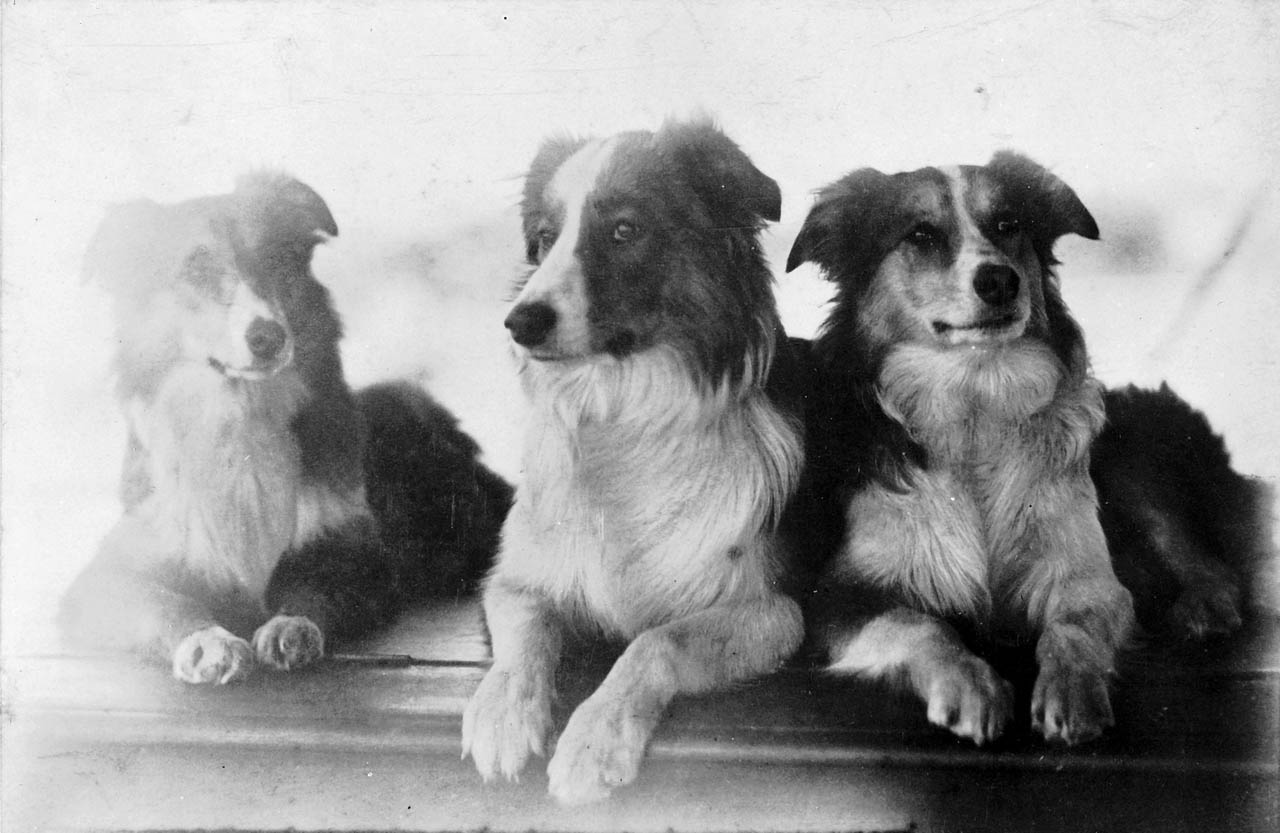
While shaving this morning, I heard someone outside talking to his dog: “Hey, buddy, you can’t poop there”. Yeah, like the dog understands what the guy is saying. Owners’ actions—letting a dog do its business anywhere it pleases and then cleaning up the dodo with a baggie—reinforce the animal’s poop-anywhere behavior. Dogs are responsive to humans. This owner, and the many others I see here in California, train their animals to behave a certain way: Poop anytime, anywhere they want. Outside the residence, of course. 🙂
You’re Zucked!
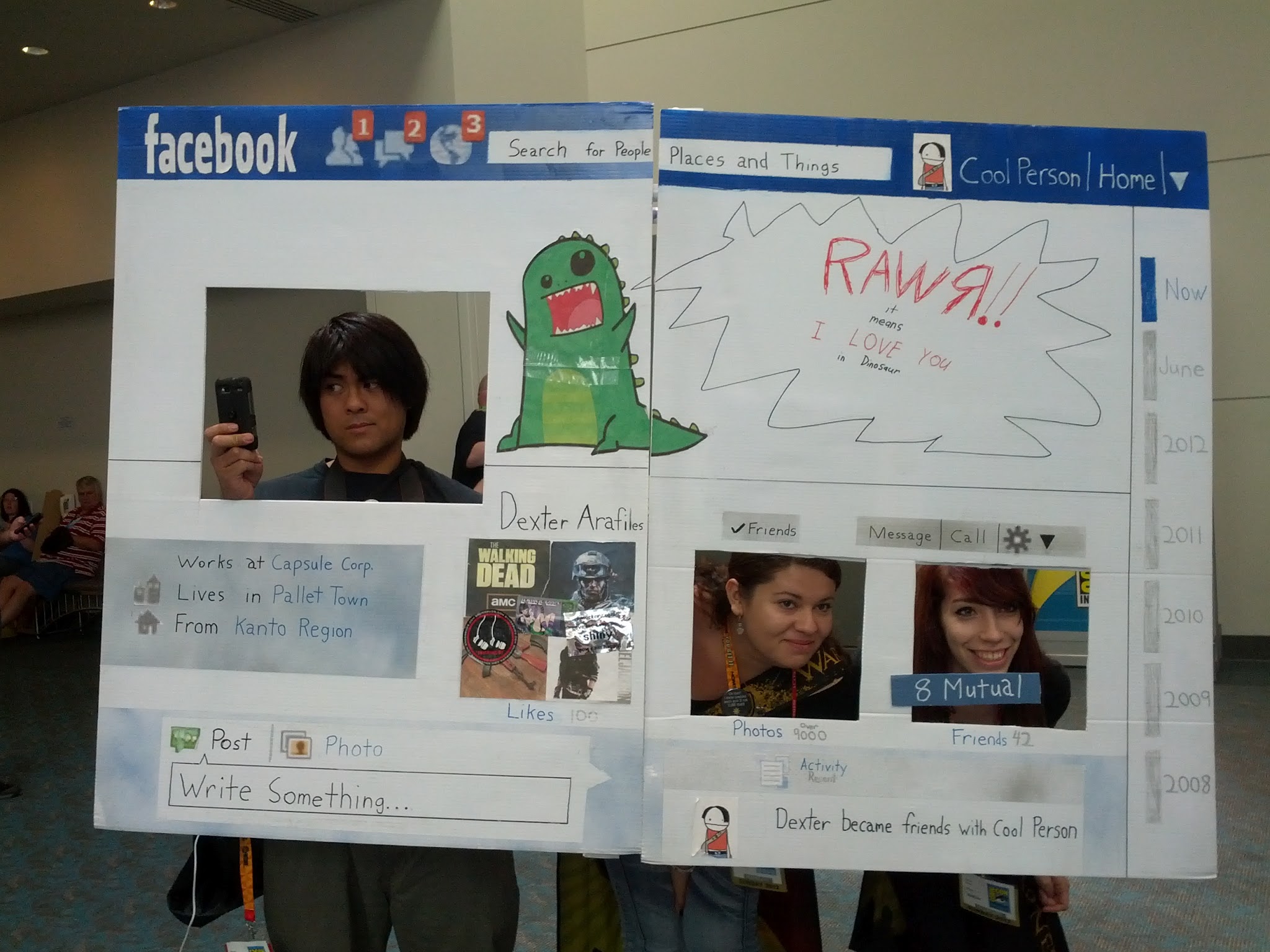
Perhaps I don’t pay enough attention to Mahalo founder Jason Calacanis. Something, somewhen, somehow bugged me about his blog posts—maybe it was frequency or attitude, I don’t recall—and so I nuked his RSS feed sometime ago.
But post “The Big Game, Zuckerberg and Overplaying your Hand” has me howling delight, even though Jason rambles on even more incoherently than I do. Thanks to Dare Obasanjo for tweeting the link.