Tag: review

Read More

I skewer Samsung’s Smartphone Flagship

The Samsung Galaxy S26 Ultra arrived this morning, about two days ahead of official availability. Already, a few design decisions rile me, and they could possibly be dealbreakers. Hopefully, they won’t be.

In my September 2014 analysis “In Good Design, Balance of Benefits is Everything“, I explain the importance of features, and the benefits they deliver, working well together without detracting from one another nor diminishing a device’s most fundamentally essential functions. If, for example, the new thingy takes away battery longevity—and that’s a customer priority—the digital device is unbalanced.
Read More

Two Years with Leica Q2

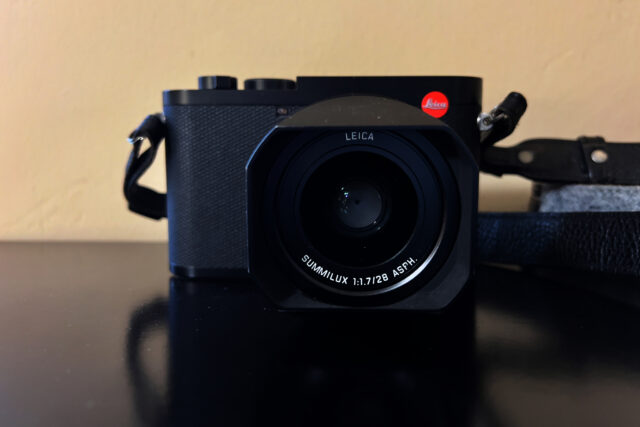
On the last day of 2019, UPS delivered Leica Q2, which would replace the original model that I acquired in May 2017. I was wholly satisfied with the Q, but the allure of higher resolution (47.3 megapixels vs 24MP) and weather sealing led to a sudden sale; Craigslisting two cameras, including the Q, covered the purchase price.

If being psychic, and foreseeing what 2020 would bring, I likely would have stuck with the Q for awhile longer. A series of oppressive and overly-restrictive governor-ordered lockdowns imposed in attempts to curb the COVID-19 pandemic caused by SARS-CoV-2 (severe acute respiratory syndrome Coronavirus 2) made for a difficult street shooting year. With most of California shut down for so much of 2020—and citizens ordered to simply stay home—the Q2 was largely relegated to shooting alleys, empty storefronts, and cats.

Read More

16.2-inch MacBook Pro is a Tank

From writing-technology past—yesterday’s post about the discarded L.C. Smith typewriter—we go to the present-future: The 16.2-inch MacBook Pro that replaces my 23-month-old 16-inch MBP. Apple announced the new laptop, and its 14.2-inch sibling, on Oct. 18, 2021 and started taking orders for October 26 availability. I considered a customized configuration for the smaller model but couldn’t decide based on the information available—particularly considering my current computer’s beefy specs: 2.3GHz Core i9 processor; 32GB RAM; 8GB AMD Radeon Pro 5500M graphics; 1TB SSD. As my indecisiveness increased, so did the ship times for any new MacBook Pro. As they slipped into late November and early December, I abandoned the idea.

But I clung to interest in the new models because of the M1 chip, for which my experience already was quite positive from using 11-inch iPad Pro and buying my wife the newer 13.3-inch MBP. Apple offered generous trade-in for my late-2019 MacBook Pro, while supply chain constraints, rising prices, and burgeoning inflation made case for upgrading earlier than previously planned and future-proofing my investment. So I decided, after long consideration: On the 26th, if local Apple Store stocked the larger laptop, I would make the purchase. If not, I would keep the 16-incher for another year.

Read More

His and Hers

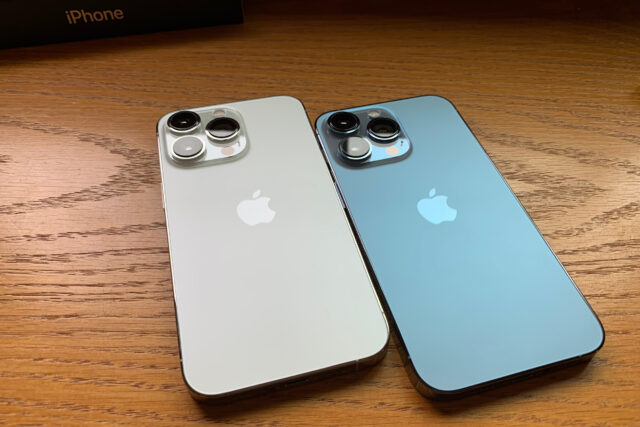
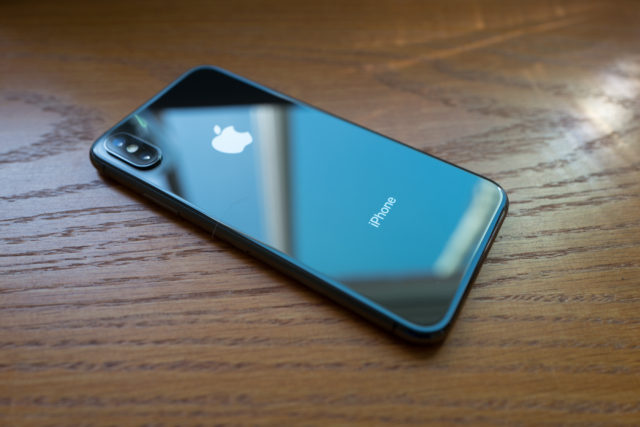
Not so long ago, I swapped smartphones every few months. Various models and underlying platforms from different manufacturers demanded testing and review. But the pace of innovation has slowed, the overall market reached the “good enough” threshold, and I don’t write about tech on a daily basis. Hence, my wife and I have each carried iPhone XS since June 2019. That is until today, when we migrated to the 13 Pro.

The Featured Image is, appropriately, the last photo I will ever shoot with the XS. The 1TB Silver on the left is mine; the 512GB Sierra Blue on the right is Annie’s. Vitals: f/1.8, ISO 25, 1/122 sec, 26mm; 1:02 p.m. PDT.

Read More

Why I Returned Sigma fp

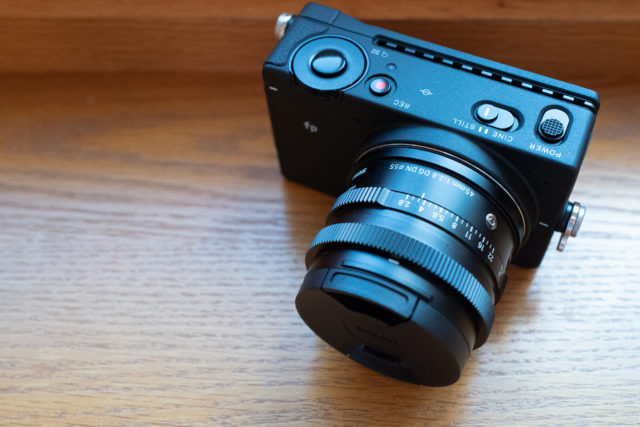
Lesson learned: Sigma makes cameras that are innovative but idiosyncratic. As I have often expressed, balance is the hallmark of good product design—whether the physical handing, how features/benefits mesh together, or, most often, combination of both characteristics. For me as an arguably amateur photographer, Sigma DP1 and DP2s didn’t measure up, and I parted with both. Now, many years later, the company’s marvelous full-frame shooter joins them. I ended the decade by sending back Sigma fp and its accessories for refund. Strike three!

Perhaps if I were a videographer, Sigma fp would be perfect. It is tiny, shoots hours of uninterrupted footage, and can be rigged by expansion to need. As a still photographic tool, the fp charms by capturing photos with rich colors and crisp contrast from a 35mm sensor packed into the smallest interchangeable body available anywhere. The rear controls are conveniently and intelligently laid out, particularly those placed below the LCD screen. But, and here it comes, the shooting experience—at least in my hands—disappoints. Like its predecessors, Sigma fp is (being polite) somewhat unbalanced, with respect to end-user benefits and overall device handling.

Read More

Some Sigma fp Continuing First Impressions

I am not exactly loving Sigma fp with 45mm F2.8 DG DN | C kit lens. Steve Huff’s glowing hands-on review compelled me to buy the diminutive full-frame shooter and sell overly-large Fujifilm GFX 50R. The compact camera checked off many of the benefits I sought in replacing the Fuji medium-format beast—or so seemed the case based on his reactions, and a few other early adopters.

Steve’s January 2010 Leica X1 review inspired me to purchase that camera, too. Much as the image quality and manual controls appealed, the X1 didn’t work well for me, and I sold it six months later. In retrospect, I should have remembered mainly why: Backside LCD as primary means for framing and focusing subjects. I much prefer, really require, an integrated optical or digital viewfinder. In the bright San Diego sunlight, handling Sigma fp, I struggle to compose photos, like Leica X1. Manual dials are gone, as well, and they are greatly longed for.

Read More

Montblanc Summit 2

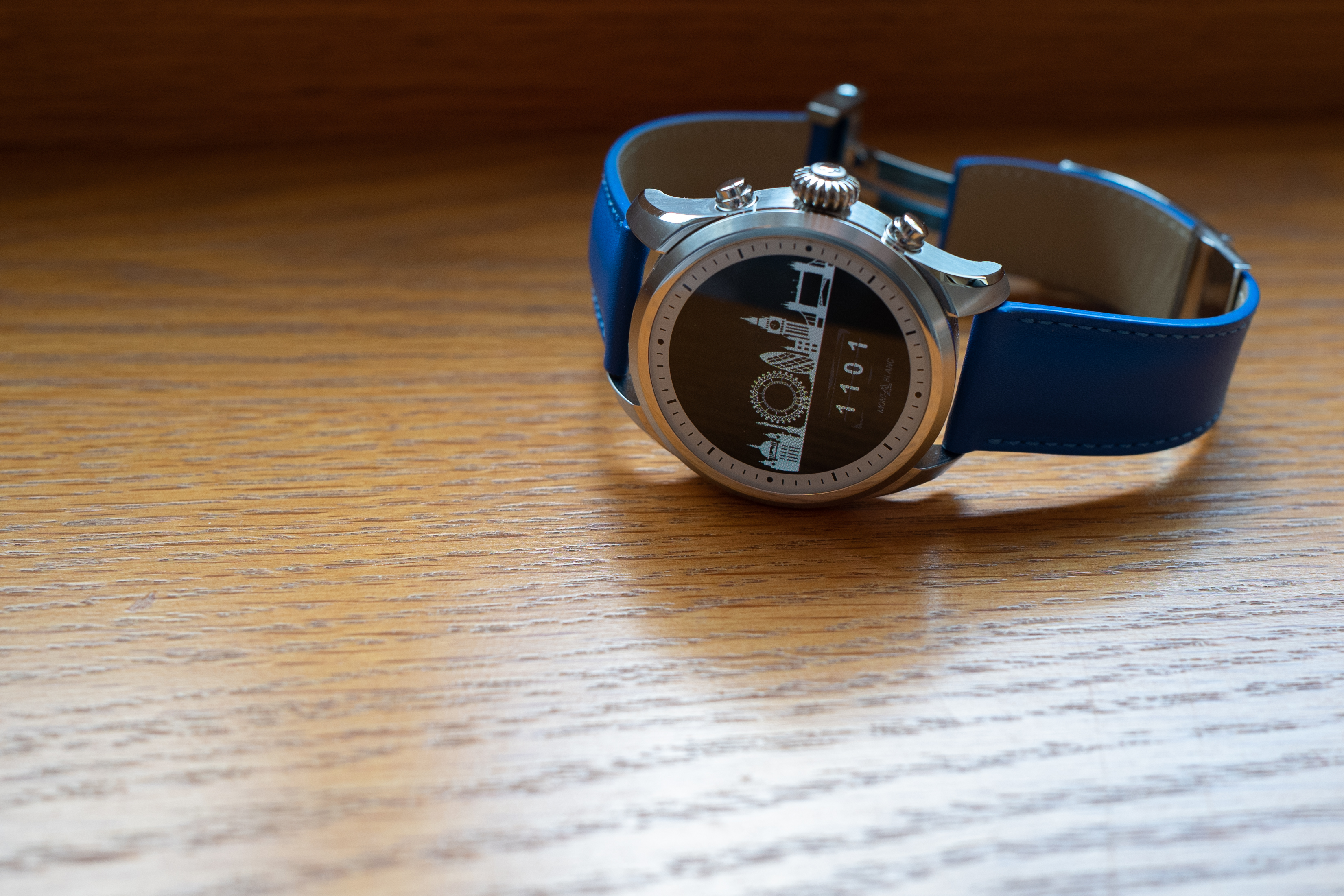
The complications of aging suck. On Nov. 2, 2018, my new Google Pixel 3 XL slipped from my fingers as I pulled it from my shorts pocket and fell face down on the sidewalk. The screen shattered in a splay of ugly cracks, and for the first time in 21 years as a cellular device user, I dropped and damaged a phone. That day, because of unexpected, but necessary, number of family texts and busy work-related emails, I pulled out the Pixel 3 XL untypically often. While the unusual activity played its role, I also am more dropsy than in the past. Realization and concern, woven with fear about ruining another phone, brought me to make a difficult lifestyle concession: Wear a smartwatch.

In mid July 2018, related to my switch from Apple to Google platform products, I returned to using an analog watch—the TAG Heuer Carrera Calibre 7 Twin-Time, inspired by the one serving as important metaphor during Syfy series 12 Monkeys. I happily wore the handsome mechanical and couldn’t imagine swapping for digital wristwear. Refusing return to Apple Watch, even with recent release of Series 4 models, I looked to a Wear OS timepiece. Only one appealed: Montblanc Summit 2, for traditional styling; more typical watch size; overall quality of construction and materials; and early adoption of Qualcomm’s Snapdragon Wear 3100 chip. 

Read More

Grado GW100 Review

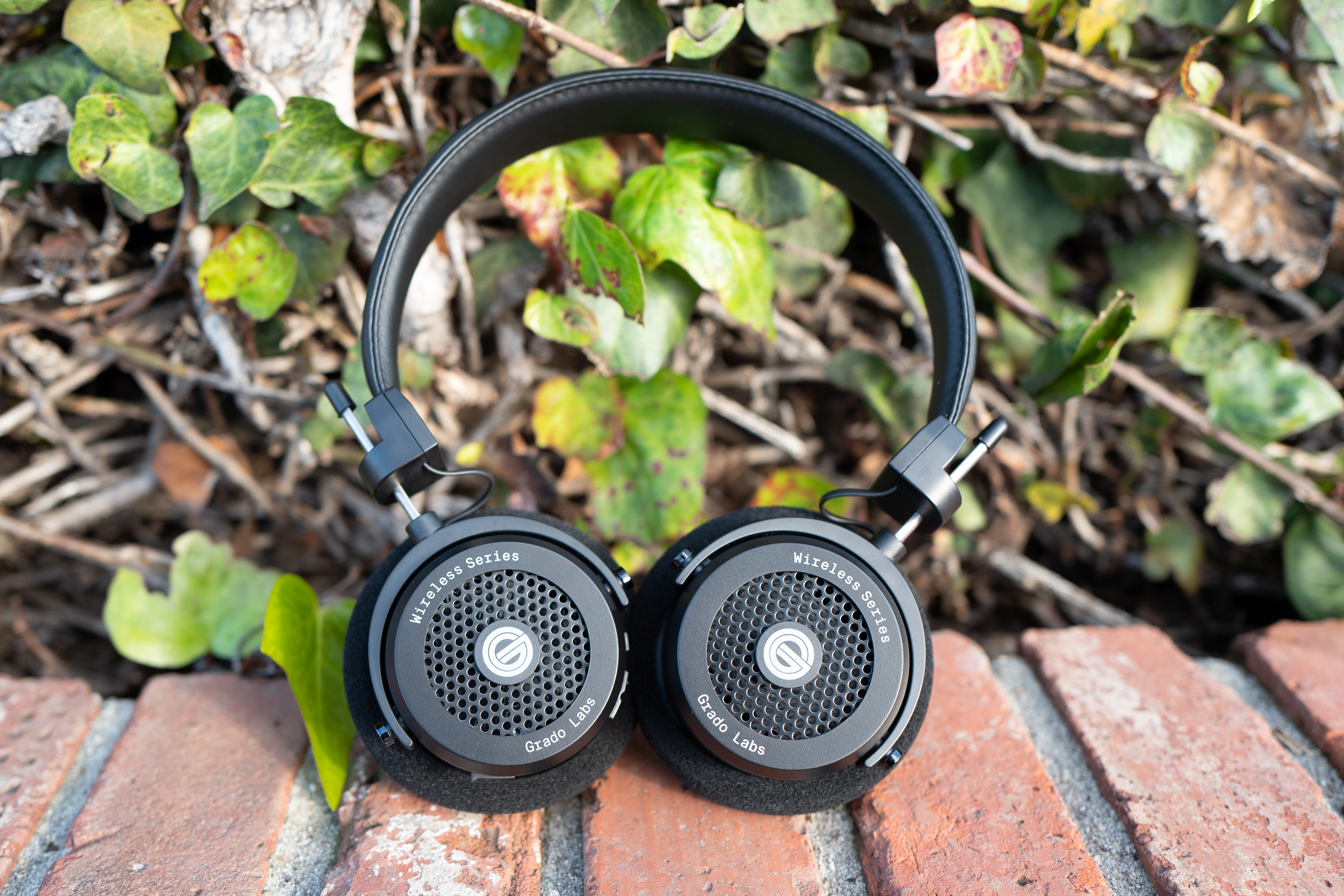
When I first opened the box containing the Grado Labs GW100 headphones, one word came to mind: “Cheap”. The cans didn’t look or feel like the classy Grado RS1i and RS1e, which I once owned, or the GS1000e that are still beloved and possessed. But after connecting to Google Pixel 2 XL (and later the 3 XL), via Bluetooth, I exclaimed: “Priceless”. The first offering in the company’s “Wireless Series” rises to an audiophile class unmatched by most competing cans; I prefer the GW100 to the GS1000e, which cost four times more to buy. Four words best describe the experience listening to music of any genre: Natural. ImmersiveBalanced. Authentic.

The GW100 are unique among wireless headphones by design: They are open-back like Grado’s wired models, but they are unlike all other major manufacturers’ wireless cans, which typically cover the ears and/or impose oppressively confining noise cancellation. I understand that commuters on noisy trains or travelers on rumbling airplanes might want NC, but the feature creates a cone of silence that is very unnatural. By comparison, the GW100’s open-air design allows music to expand, while—I must concede—letting in background noise going on about you. 

Read More

Thinking About Apple HomePod

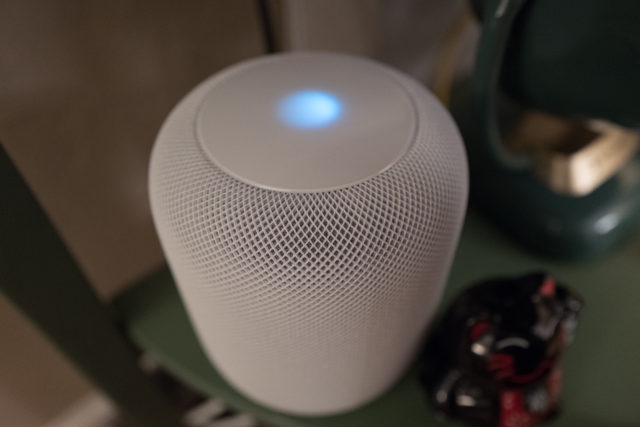
HomePod arrived yesterday at 9:40 a.m. PST; thank-you UPS for prompt delivery of my preorder. The device replaces Google Home, which will be dispatched to a new owner (hopefully), via Craigslist or NextDoor. Perhaps Big G’s assistant would have satisfied more if I lived the Google lifestyle like during my Android and Chromebook days. But I walk the Apple Way today, for better or for worse.

My initial reaction: Wow and uh-oh. The wow harkens back to the original iPod, which Apple released in October 2001. The company’s design ethic treated the overall experience as the user interface: Attach FireWire cable to Mac and device, music syncs. iTunes manages music on the Mac; for iPod, a simple scroll-wheel navigates tracks displayed on a small screen. The uncomplicated and understated approach defied the UX of every other MP3 sold by all other manufacturers. HomePod is a defining, roots-return that’s well-deserving of the portion of name in common with its forebear; both share in common emphasis on music listening as primary benefit. 

Read More

Leica Q is an Experience

I am, on a good day, an adequate amateur photographer. My technique isn’t professional, nor do I have an artisan’s astute eye for composition. I am okay in every measurable, meaningful way. But what I lack in skill, I compensate with enthusiasm.

Photography is fun for me—and I am an original digital shooter, going back 20 years. Anyone remember the crappy Sony Mavica that saved photos to floppy disks? I owned one, in the late 1990s. My first camera of consequence was the Canon PowerShot S20, the first commercially available digital compact to top 3 megapixels; I used it to document Steve Jobs introducing Apple Store, in May 2001.

Read More

Moto Z Force Droid Review

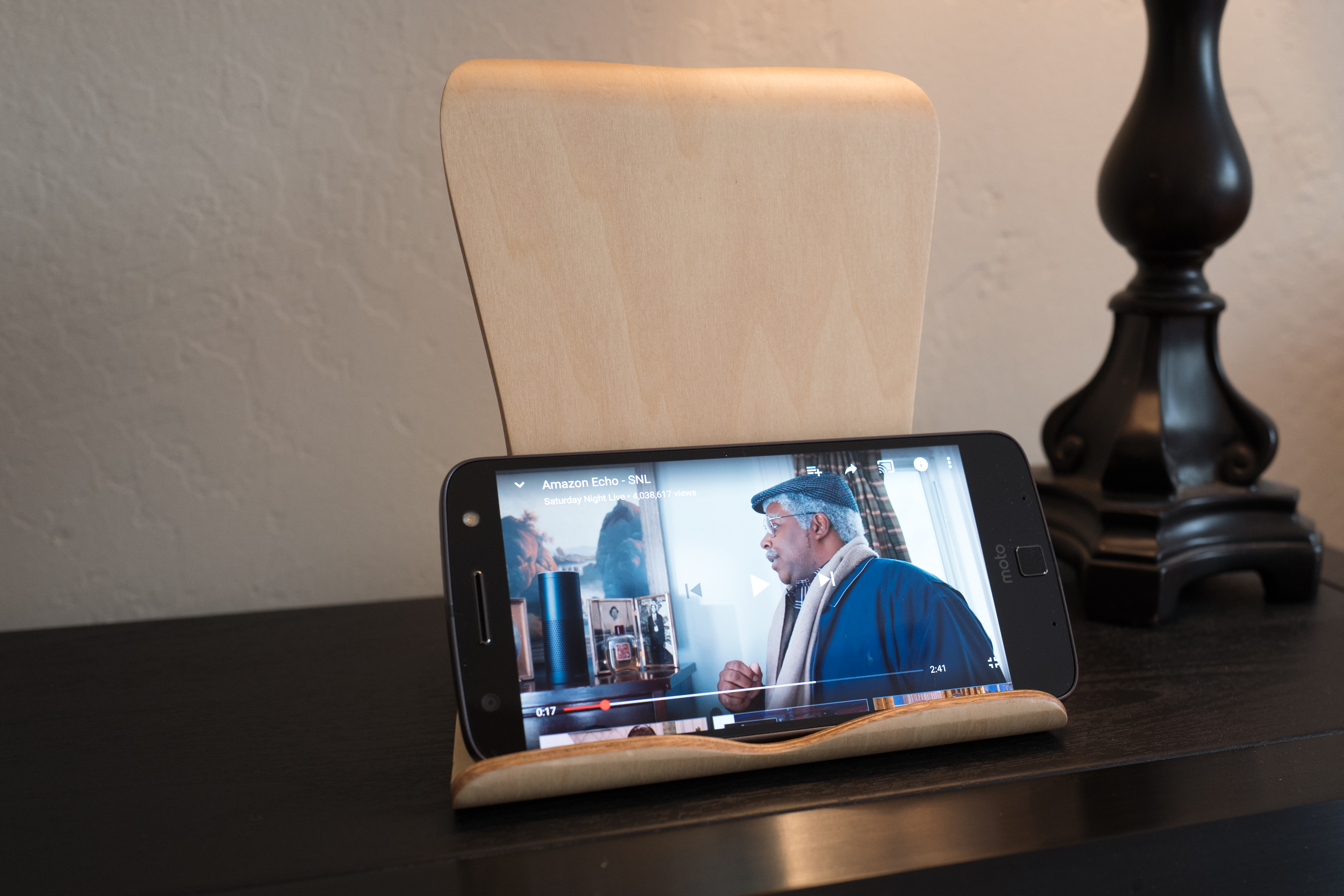
If you asked why the Moto Z Force Droid Edition appeals to me, I couldn’t identify one thing, which arguably is odd considering this is a review. Benefits and features feel finely balanced, which is a hallmark of good product design. Oh, and that satisfaction is for the pure smartphone experience, which is premium by nearly every measure that matters; I didn’t test Moto Mods that expand capabilities.

Lenovo/Motorola and Verizon released the smartphone in July 2016, so this exploration is belated—and then some. Apologies, the delay was necessary. In mid-December 2016, Verizon sent a holiday review package unexpectedly. At the time, my father-in-law’s health rapidly declined—and he passed away about 30 days later. In the months following, as we settled his estate and finalized other matters, I occasionally recharged the battery and picked up the Droid but had no real time to test it. Still, something about how well the Moto Z Force feels and fits in the hand compelled me to handle it. Often. To caress the ridged bezel. To read blog posts and news stories on the beautiful display.